

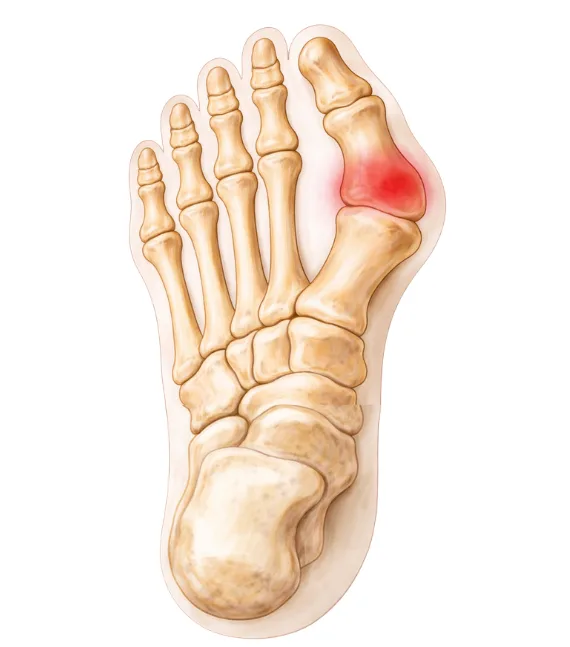
Foot Deformity Correction in Moscow
The foot is the foundation of support and movement for the entire body. Any change in its shape or position affects not only gait, but also the function of the ankle, knee, hip joints, and spine. Over time, even a “minor” deformity may lead to pain, rapid fatigue, and limitation of normal daily activity.
Surgical correction of foot deformities aims to restore proper anatomy and biomechanics. Unlike purely symptomatic treatment, surgery addresses the underlying cause of the problem — incorrect bone alignment, axis deviation, and imbalance of the muscular and ligamentous structures.
Treatment is always individualized. The type of deformity, its severity, the patient’s age, level of physical activity, and the impact on everyday life are carefully evaluated. In many cases, correction not only reduces pain but also helps prevent further progression and secondary complications in the joints above.
The goal of surgery is to create a functional, stable, and pain-free foot that can withstand load during walking and maintain proper support in the long term.
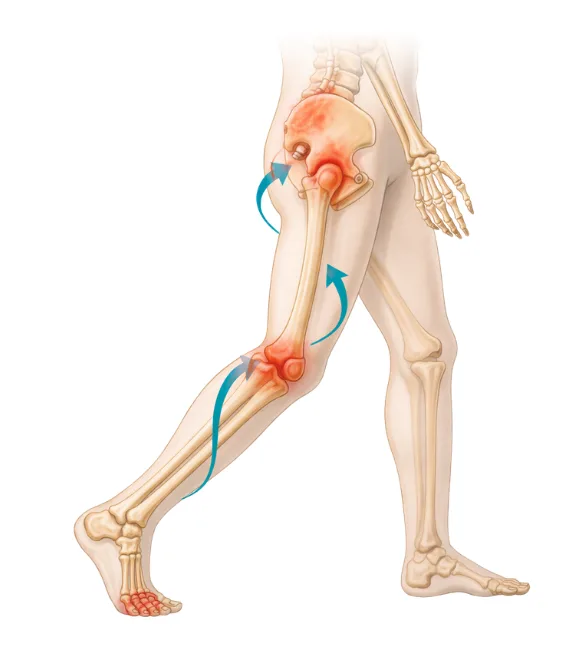
How Foot Deformities Affect Gait and the Joints Above
The foot serves as the foundation of the entire musculoskeletal system. Any change in its structure or weight-bearing surface affects load distribution during walking and standing. Even a small deformity may gradually lead to overload of the joints above and alteration of gait.
When foot biomechanics are disrupted, load is redistributed unevenly. The body attempts to compensate through the ankle, knee, hip, and spine. As a result, pain and functional limitations may develop in areas that were initially unaffected.
In practice, this may present as:
Rapid fatigue during walking
Pain in the ankle or knee
Discomfort in the hip or lower back
A feeling of instability or “misalignment” while moving
Foot deformities often progress gradually. While compensatory mechanisms remain effective, symptoms may be minimal. Over time, however, these mechanisms fail, and abnormal load begins to damage the joints above the foot.
That is why assessment of foot deformities should consider not only external appearance but also the overall biomechanics of the lower limb. Timely correction can reduce foot pain and lower the risk of secondary problems in the knees, hips, and spine.
When Surgical Correction of Foot Deformities Is Truly Indicated
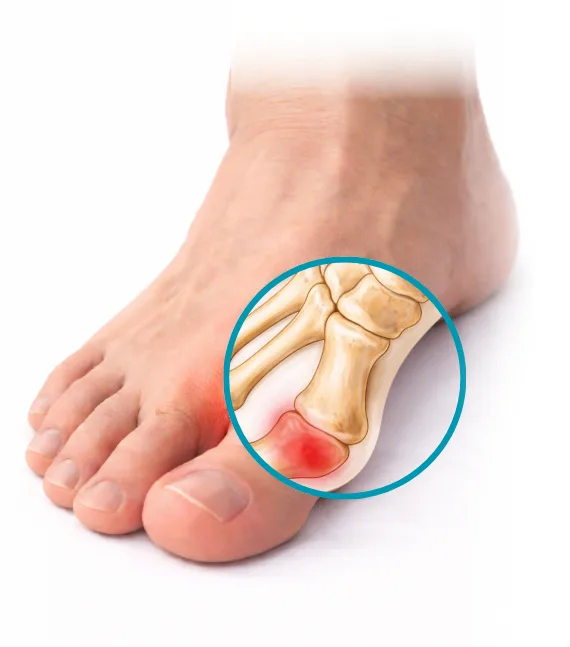
The presence of a foot deformity alone does not automatically require surgery. The decision for surgical correction is made when changes in foot structure begin to affect quality of life, cause persistent pain, or continue to progress despite conservative treatment.
The key factor is not the appearance of the foot, but its function and load distribution during walking.
The most common situations in which surgery is considered include:
Persistent pain in the foot or toes
Pain during walking, standing, or wearing shoes that cannot be controlled with insoles or medication
Disturbed support and altered gait
Uneven load distribution, limping, rapid fatigue, or instability during movement
Progressive worsening of deformity
Increasing deviation of toes or arches despite orthopedic support
Difficulty selecting footwear and limitations in daily activity
Situations where deformity interferes with work or regular physical activity
Secondary changes in other joints
Pain in the ankle, knee, or spine caused by altered foot biomechanics
The decision to proceed with surgery is always individualized. Evaluation includes not only foot structure but also symptom severity, patient age, activity level, and expected functional outcome. This approach helps avoid unnecessary procedures and determine the optimal timing for treatment.
Stages of treatment

Online consultation
An online consultation allows you to discuss your condition, complaints, and symptoms in advance. You can submit imaging studies and medical documents, ask questions, and receive a preliminary treatment plan before visiting the clinic.
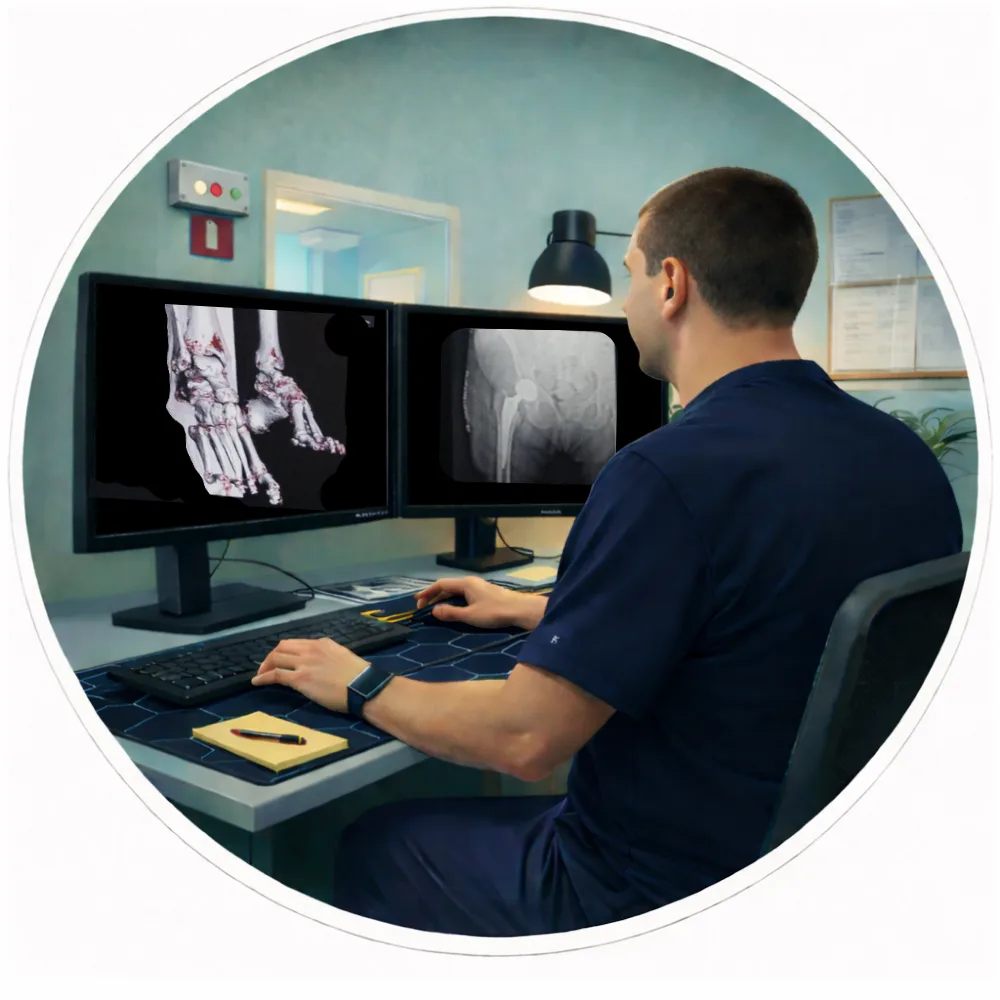
Examination and 3D surgical planning
All necessary examinations are performed within one day. A CT scan of the joint is conducted, followed by computer-based 3D surgical planning and implant selection to ensure maximum precision.

Surgery
On the second day of the clinic stay, the surgical procedure is performed. Original implants by Stryker Corporation (USA) and the MAKO robotic-assisted system are used, ensuring a high level of precision in implant positioning.

Rehabilitation and follow-up
Recovery begins immediately after surgery. In most cases, you will be able to start walking on the day of the procedure. After discharge, we continue to provide online follow-up care, including recovery guidance, rehabilitation monitoring, and answers to any questions that may arise.
Choose the type of surgery
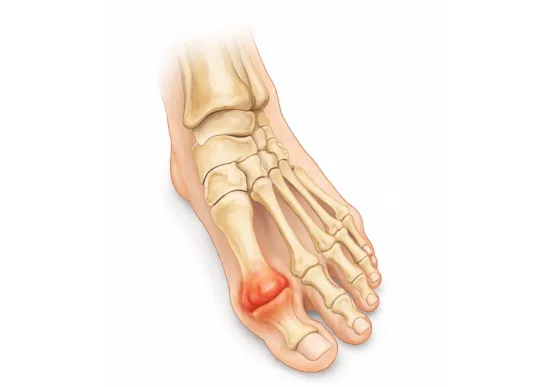
Forefoot (Hallux Valgus and others)
Surgical procedures aimed at correcting deformities of the toes and metatarsophalangeal joints. Indicated for hallux valgus, hammertoes, and pain syndrome. Allow restoration of forefoot alignment, reduction of load, and return of comfort while walking.
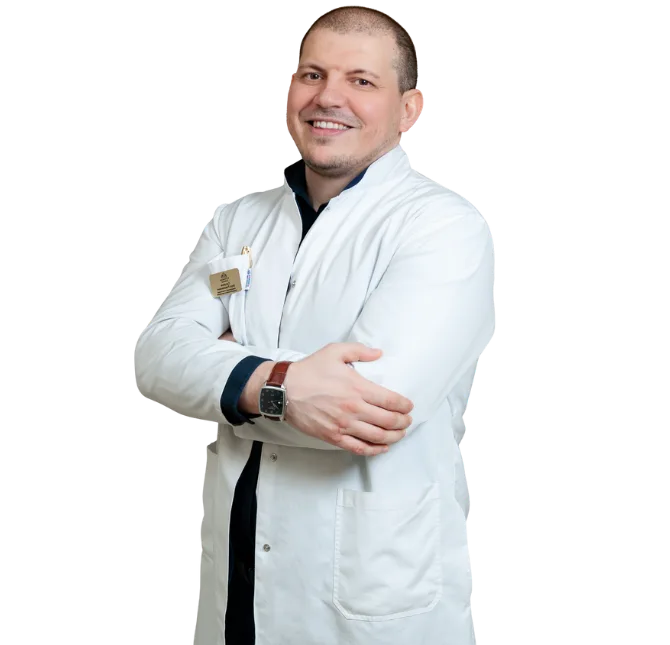
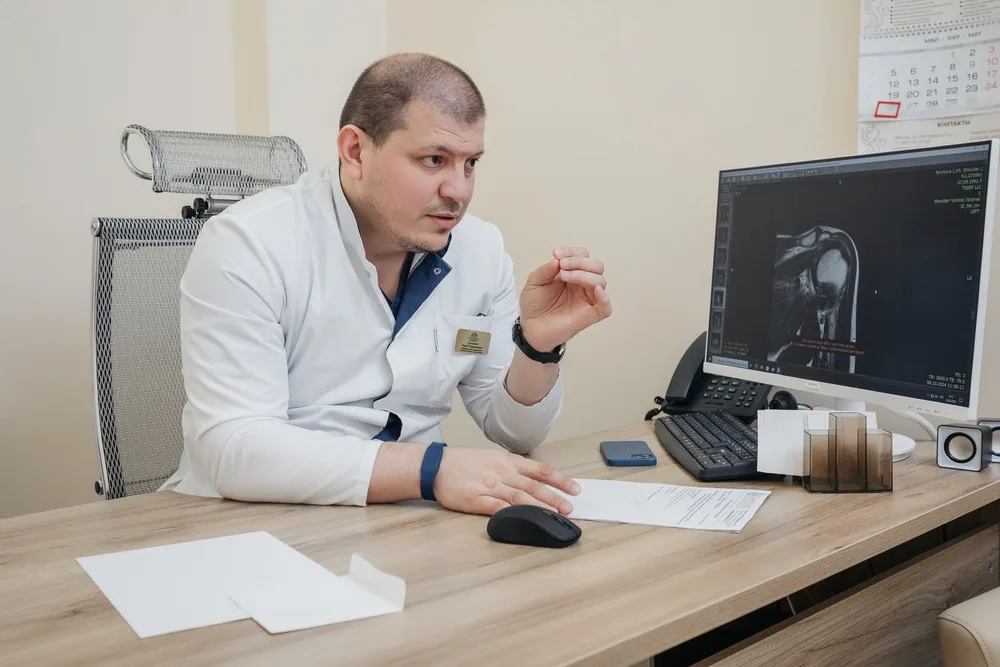
The surgery is performed personally by Zaur Sulumov
The doctor is personally involved in every stage of treatment — from the initial consultation and surgical planning to recovery monitoring and outcome evaluation.
Start Treatment
FAQ
The duration of the procedure depends on the type and severity of the deformity and typically ranges from 40 to 120 minutes. In cases of combined deformities, surgical time may be longer.
In most cases, walking is allowed within the first days after surgery using special postoperative footwear. Full weight-bearing is increased gradually according to the surgeon’s recommendations.
During the operation, pain is absent due to anesthesia. After the procedure, some discomfort may occur, but it is controlled with pain medication and gradually decreases.
Modern correction techniques involve minimal incisions, so after healing, scars are usually small and barely noticeable.
Rehabilitation includes wearing special footwear, limiting load, exercises to restore mobility, and follow-up examinations. The active recovery period usually lasts 6–8 weeks.
Yes. After completing the recovery period, most patients return to wearing regular footwear and report significant pain reduction and improvement in walking quality.
In early stages, conservative treatment (insoles, orthopedic footwear, exercises) may be effective. However, with progression of the deformity, surgical correction remains the most effective way to relieve pain and restore proper foot shape.