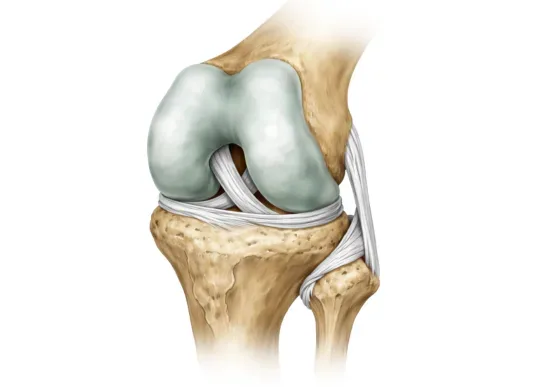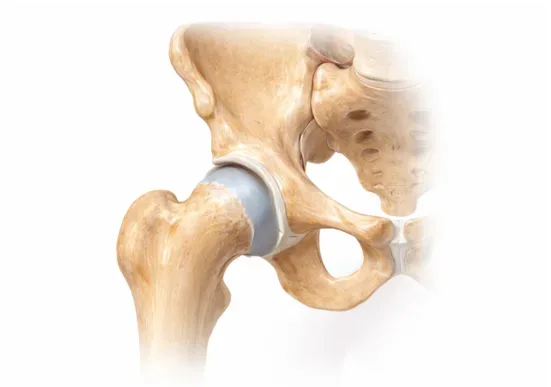
Hip replacement surgery
Modern surgical treatment of hip joint conditions aimed at restoring mobility and reducing pain.


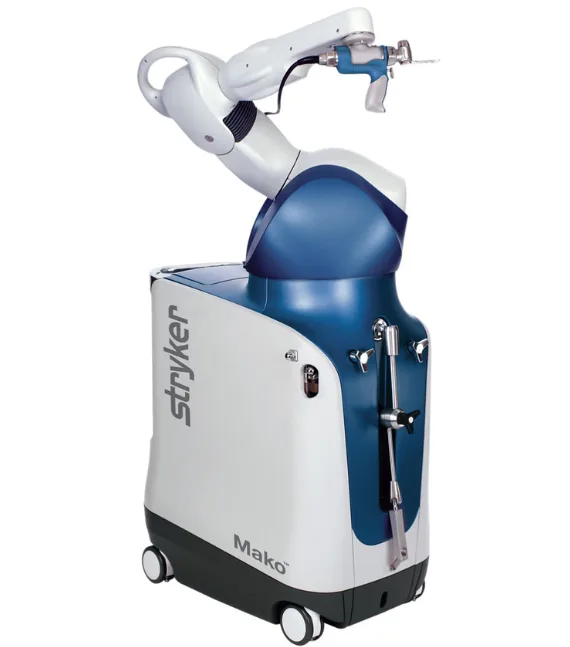
Robotic technologies in orthopedics are used to improve the accuracy and predictability of surgical treatment. The MAKO system helps the surgeon plan joint replacement in advance using CT-based data and then use this plan during the operation.
The technology allows the specialist to evaluate individual anatomy, component position and the planned bone preparation before entering the operating room. During surgery, the system supports the surgeon in reproducing the selected plan as accurately as possible.
MAKO does not replace the surgeon and does not perform the operation independently. The doctor remains responsible for all key decisions and surgical steps, while the robotic system acts as an additional tool for control, planning and navigation.
MAKO combines preoperative planning and intraoperative control. A CT scan is used to create a digital model of the joint. Based on this model, the surgeon plans implant positioning, bone preparation and other important parameters.
During the operation, the system helps compare actual surgical actions with the plan and provides additional control over the procedure. This is especially important when anatomy is complex, deformity is present or high precision is required.
The value of MAKO lies not in automation, but in giving the surgeon more objective information and better tools to execute the selected surgical strategy.
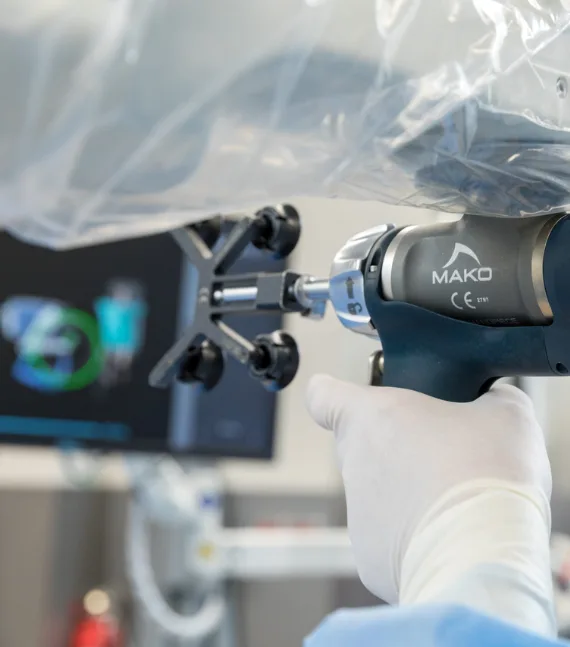

MAKO is used in orthopedic surgery for joint replacement when individualized planning and precise execution are especially important. The system is widely known in knee and hip replacement and is one of the most studied robotic platforms in orthopedics.
The decision to use MAKO is made individually. It depends on the diagnosis, joint condition, imaging findings, surgical goals and the surgeon's assessment of the clinical situation.
Robotic assistance should be viewed as an advanced tool in the surgeon's hands. The final result depends on correct indications, surgical experience and a comprehensive approach to treatment and recovery.
The doctor is personally involved in every stage of treatment — from the initial consultation and surgical planning to recovery monitoring and outcome evaluation.
MAKO is a robotic system with active control of the surgeon’s actions. Unlike conventional navigation, which only displays parameters, MAKO assists in achieving the planned implant position and limits deviations from the chosen surgical strategy during the procedure.
No. All key stages of the operation are performed by the surgeon. The MAKO robot is a support tool that helps the surgeon precisely follow the pre-planned parameters and control each stage of the procedure.
The MAKO robotic system is used in clinical practice worldwide and has undergone the necessary clinical validation. The application of this technology is aimed at improving surgical accuracy and predictability, while the decision to use it is always made by the surgeon.
No. The use of MAKO is not mandatory in all cases. The appropriateness of robotic technology is determined individually, taking into account the diagnosis, anatomical features, diagnostic findings, and treatment objectives.
In clinical practice, MAKO is used in hip and knee replacement surgeries, especially in cases where high precision is required to restore limb alignment, joint stability, and accurate implant positioning.
The MAKO robot does not change the fundamental nature of the surgical treatment; however, more precise execution of the surgical plan may contribute to a more predictable outcome and stable joint function in the postoperative period.
The final decision to use the robotic system is made by the surgeon. The specialist’s task is to apply the technology where its capabilities are truly justified and can improve the prognosis of surgical treatment.