

Osteosynthesis for Fractures in Moscow
A fracture is not only damage to bone tissue but also a disruption of limb alignment and the balance of surrounding muscles and joints. Accurate reduction of bone fragments determines not only the speed of healing but also long-term limb function, range of motion, and the risk of deformity.
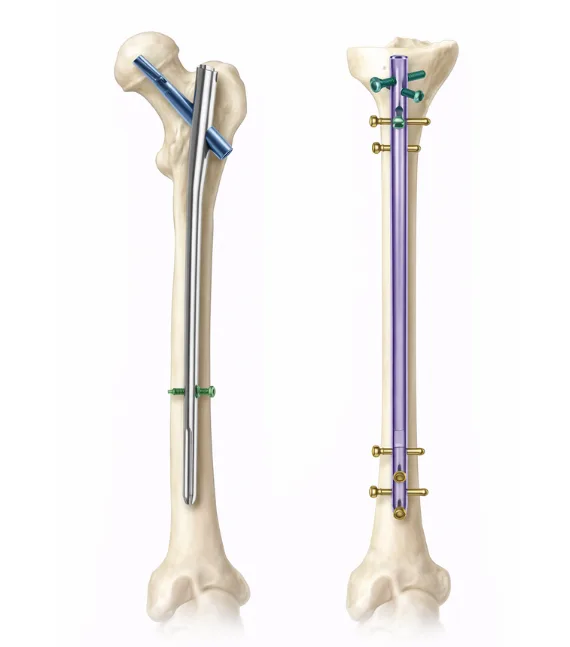
Osteosynthesis is used when stable fixation of bone fragments and precise restoration of anatomy are required. During surgery, modern metal implants are applied — plates, screws, intramedullary nails, and locking systems — allowing reliable stabilization of fragments in the correct position.
Stable fixation creates conditions for controlled bone healing and earlier functional loading compared to cast immobilization. It reduces the risk of secondary displacement and allows better management of recovery at every stage of treatment.
The method is used both for fresh fractures and for complex, comminuted injuries, intra-articular fractures, and consequences of previous trauma requiring surgical correction.
Why Accurate Anatomical Reduction Is Critically Important
In fracture management, it is essential not only to achieve bone union but also to restore the correct anatomical shape and alignment. Even minimal displacement of bone fragments may lead to limb axis deviation, altered load distribution, and overloading of adjacent joints. Over time, this can cause chronic pain, limited mobility, and functional impairment in daily activities.
Anatomical reduction means precise alignment of bone fragments as close as possible to their natural pre-injury position. The quality of reduction largely determines treatment outcome and preservation of normal biomechanics after healing. Errors at this stage may not be immediately noticeable and can manifest months or years later as deformity, limping, persistent pain, or accelerated joint degeneration.
During osteosynthesis, the surgeon’s task is not only fixation with implants but also restoration of limb length, correct rotation, and physiological axis. This is especially important in intra-articular and comminuted fractures, as well as in injuries involving soft tissues, where reduction accuracy directly affects functional recovery.
Precise reduction creates more predictable healing conditions and reduces the risk of secondary complications after bone union and return to normal activity.

When Osteosynthesis Is Truly Necessary
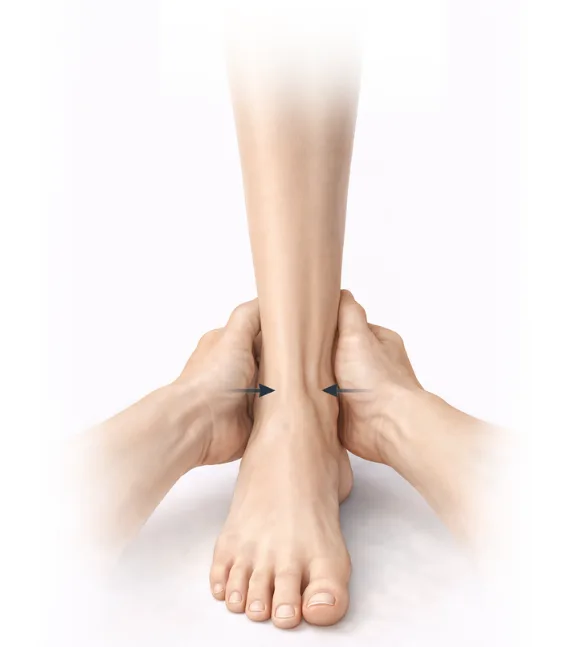
Not every fracture requires surgery. In many cases, conservative treatment is possible. However, with certain injuries, proper anatomy and limb function cannot be restored without internal fixation. In such cases, osteosynthesis provides stability, reduces complication risk, and ensures more predictable healing.
Surgical fixation is indicated when bone fragments are unstable and cannot maintain correct alignment after reduction. This applies to displaced fractures, fragmented injuries, or fractures with shortening and axis deviation.
Special attention is required for intra-articular fractures, where accurate restoration of the joint surface is essential to preserve mobility and minimize the risk of post-traumatic arthritis.
Osteosynthesis is also recommended when rigid fixation is necessary to safely begin early loading or active movement, as well as in cases of secondary displacement during cast immobilization or bracing.
The decision to perform osteosynthesis is made after analyzing X-rays or CT scans, assessing fracture stability, and evaluating functional risks. The primary goal of surgery is to create optimal conditions for bone healing and full restoration of weight-bearing function.
Stages of treatment
Online consultation
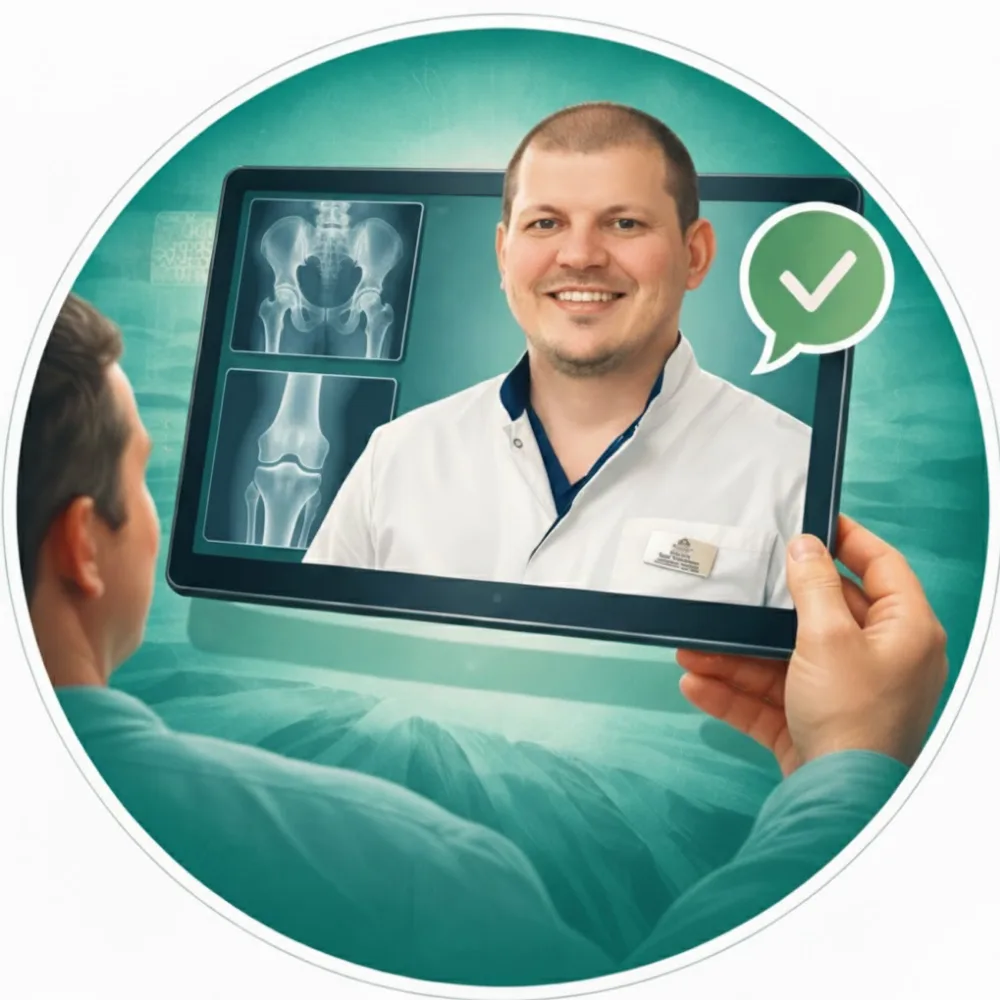
An online consultation allows you to discuss your condition, complaints, and symptoms in advance. You can submit imaging studies and medical documents, ask questions, and receive a preliminary treatment plan before visiting the clinic.
Examination and 3D surgical planning
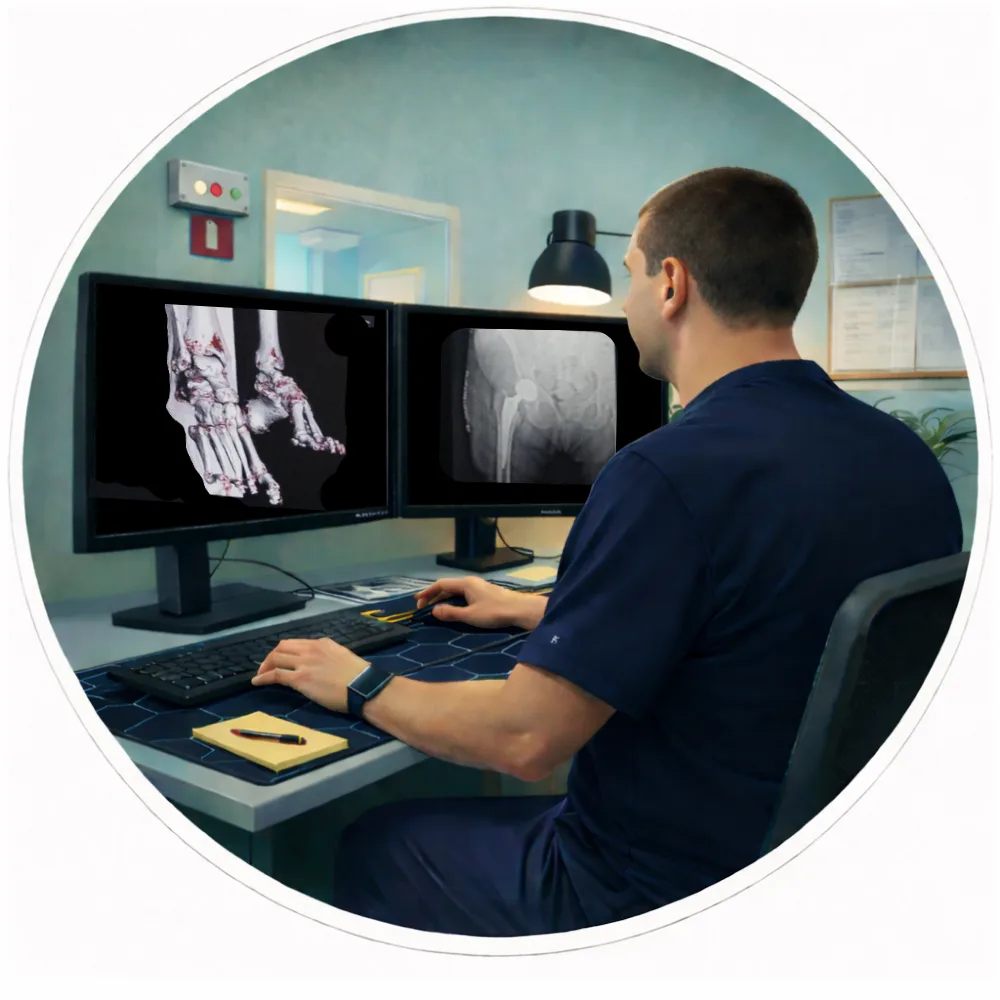
All necessary examinations are performed within one day. A CT scan of the joint is conducted, followed by computer-based 3D surgical planning and implant selection to ensure maximum precision.

Surgery
On the second day of the clinic stay, the surgical procedure is performed. Original implants by Stryker Corporation (USA) and the MAKO robotic-assisted system are used, ensuring a high level of precision in implant positioning.

Rehabilitation and follow-up
Recovery begins immediately after surgery. In most cases, you will be able to start walking on the day of the procedure. After discharge, we continue to provide online follow-up care, including recovery guidance, rehabilitation monitoring, and answers to any questions that may arise.
Choose the Type of Surgery
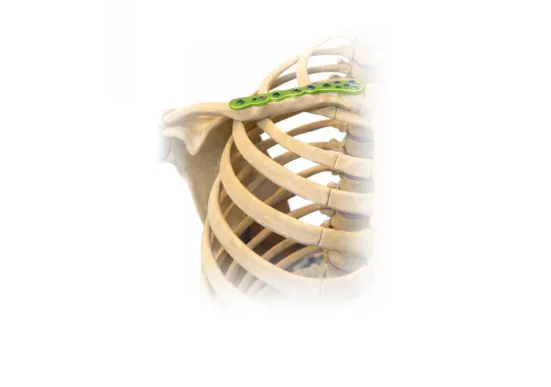
Clavicle fracture
Surgical fixation of the fracture with restoration of the anatomical shape of the bone, stability of the shoulder girdle, and acceleration of functional recovery.
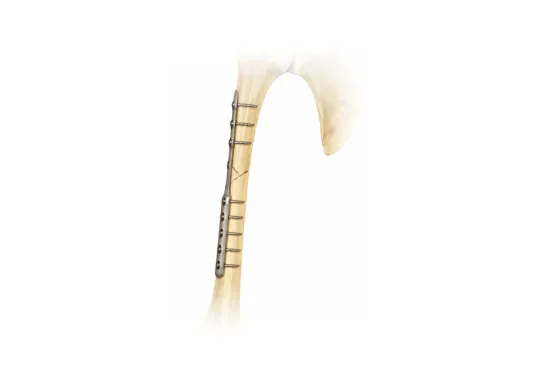
Humerus fracture
Surgical treatment of a humeral fracture with precise alignment of bone fragments and stable fixation to ensure proper healing.
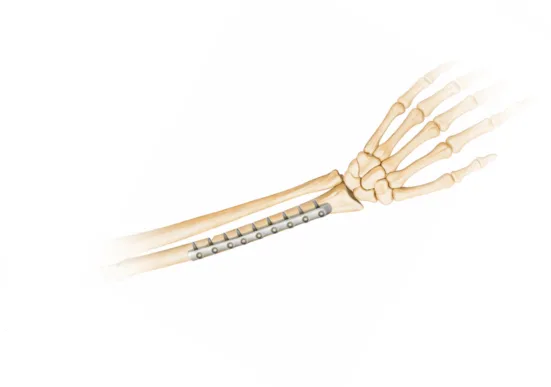
Ulna fracture
Osteosynthesis of the ulna with anatomical reconstruction and stable fixation to restore forearm function.
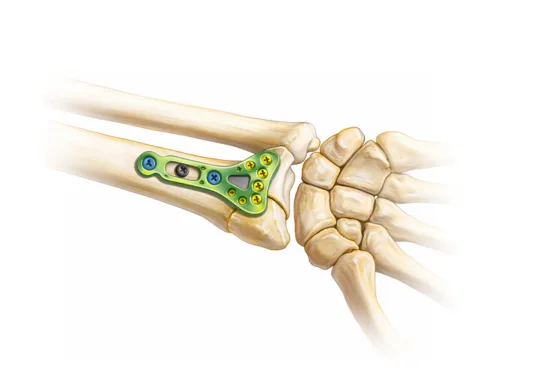
Radius fracture
Surgical stabilization of the radius with restoration of limb alignment and wrist joint mobility.
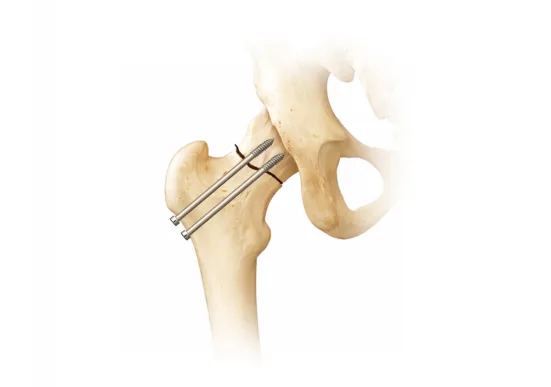
Femoral neck fracture
Surgical fixation or replacement of the damaged segment with restoration of weight-bearing capacity and hip joint mobility.
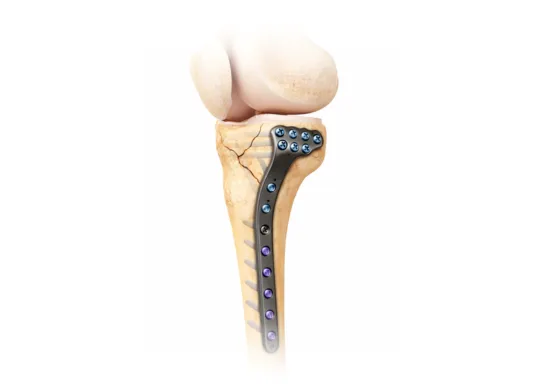
Tibial fracture
Osteosynthesis with precise restoration of the tibial axis and reliable stabilization for proper bone healing.
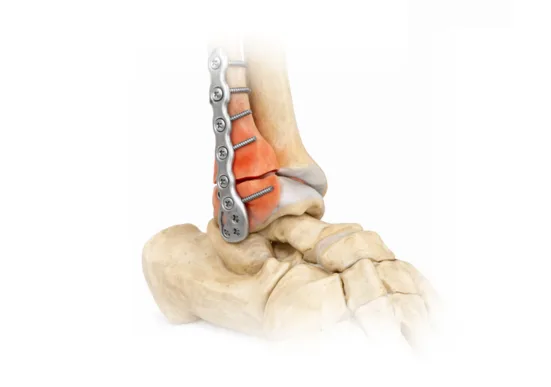
Ankle fracture
Surgical restoration of ankle joint anatomy with fixation of bone fragments and recovery of stability.
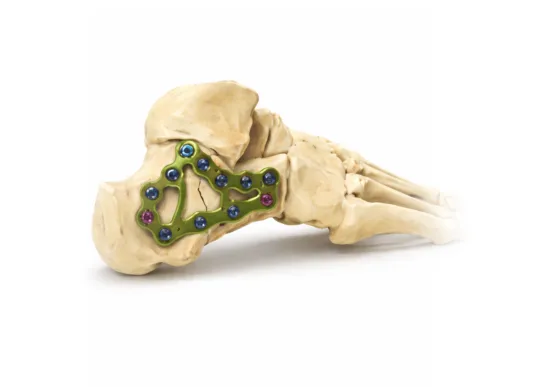
Calcaneal fracture
Surgical reconstruction of the calcaneus with restoration of shape, height, and weight-bearing function of the foot.
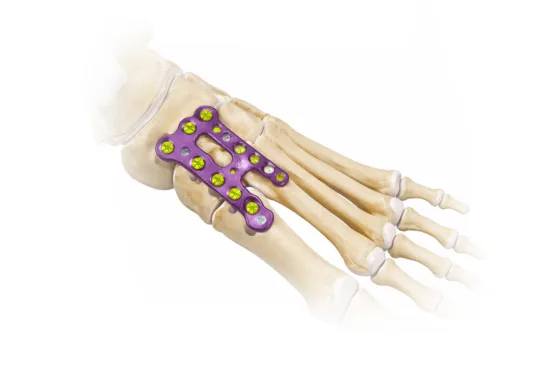
Fractures of the foot bones
Surgical stabilization of the foot bones with preservation of the arches and restoration of proper walking biomechanics.
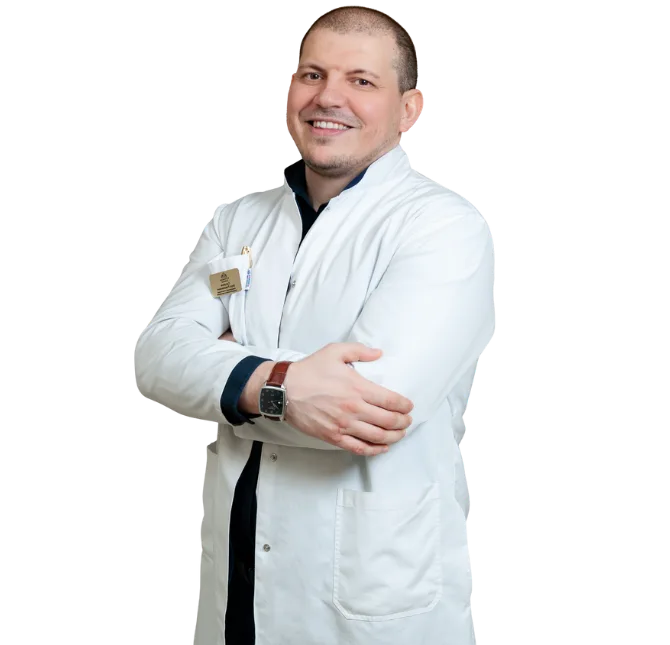
The surgery is performed personally by Zaur Sulumov
The doctor is personally involved in every stage of treatment — from the initial consultation and surgical planning to recovery monitoring and outcome evaluation.
Start Treatment
FAQ
The duration depends on the type of fracture and the fixation method. On average, surgery lasts from 30 to 120 minutes. In complex or comminuted fractures, operative time may be longer.
The timing of weight-bearing depends on the fracture location and stability of fixation. In some cases, movement is allowed within the first days after surgery, while full weight-bearing depends on the fracture type. For intra-articular fractures, a forced pause of 4–8 weeks may be required, with gradual progression under medical supervision and follow-up X-rays.
There is no pain during the operation due to anesthesia. After surgery, discomfort is managed with a modern pain-control protocol and typically decreases as the fracture heals.
Not always. Implants from leading manufacturers are commonly used, and in most cases plates and screws can remain in the body permanently. Removal is considered individually if there is discomfort or specific medical indications.
Average bone healing time ranges from 6 to 12 weeks, but this may vary depending on the patient’s age, fracture type, and overall health condition.
Rehabilitation focuses on restoring movement, muscle strength, and limb function. The program is individualized and may include physical therapy, physiotherapy, and gradual increase of load.
Not all fractures require surgical treatment. However, in cases of fragment displacement, instability, or risk of improper healing, osteosynthesis ensures accurate alignment and improves the functional outcome.