

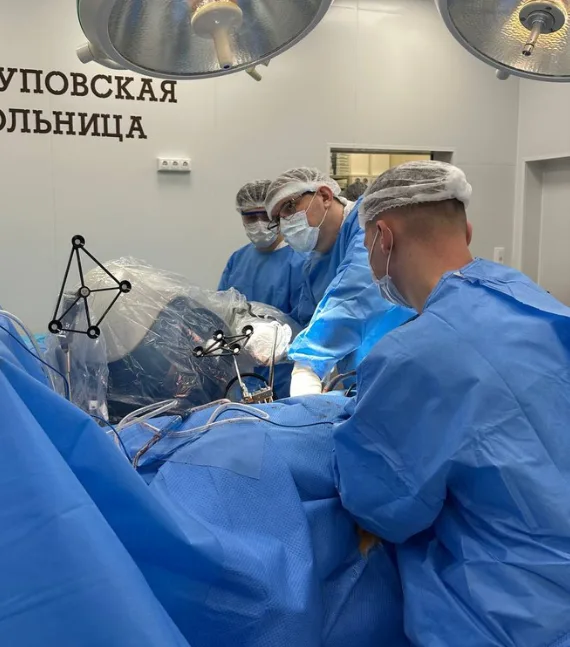
What is MAKO robotic hip replacement?
Robotic hip replacement is planned using an individual 3D model created from the patient’s CT scan. The MAKO system helps the surgeon implement that plan during surgery while accounting for the patient’s anatomy.
The aim is accurate positioning of the implant components, restoration of hip biomechanics and stable fixation. The robot does not perform the operation independently: the surgeon controls every stage and makes all clinical decisions.
Why combine MAKO with the Röttinger approach?
In our practice, MAKO planning is combined with the intermuscular Röttinger approach. The approach passes between muscles rather than cutting them, helping preserve soft tissues and support early mobilization.
Compared with a traditional lateral approach, it avoids cutting the hip abductor muscles. Compared with a direct anterior approach, it avoids the typical risk to the lateral femoral cutaneous nerve and generally requires fewer soft-tissue releases. The suitability of any approach is assessed individually.
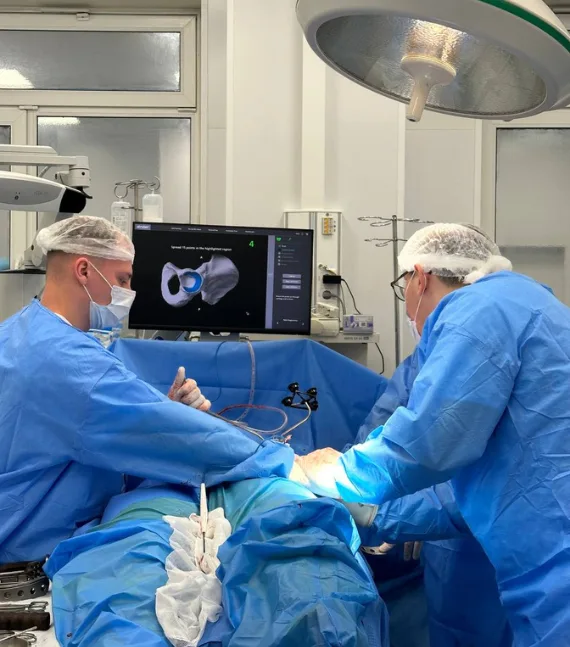
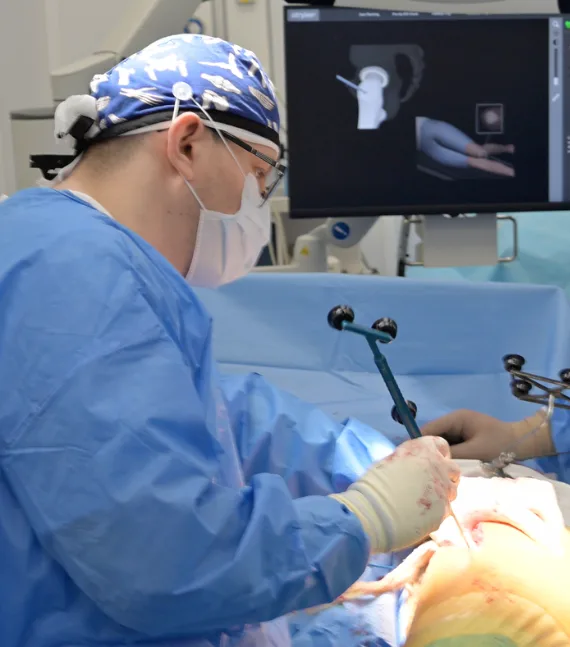
Surgical experience remains essential
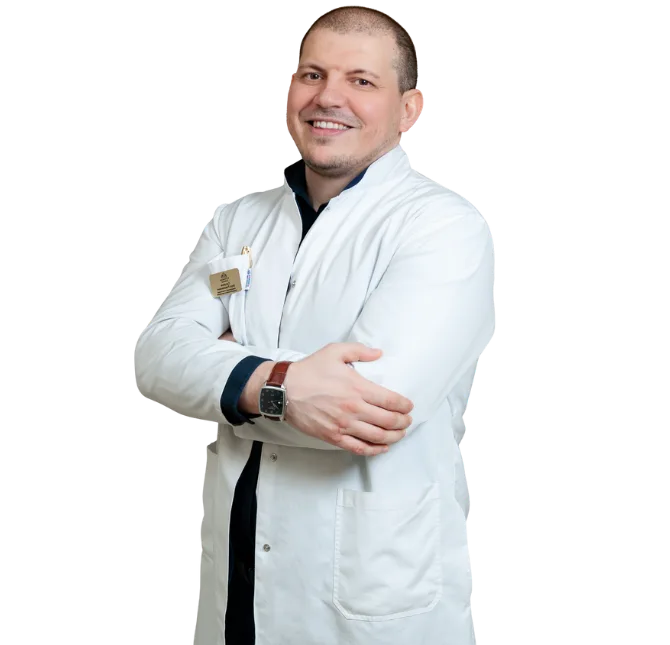
Zaur Sulumov is a highest-category orthopedic surgeon and Head of the Robotic Joint Replacement Unit. He was the first surgeon in Russia to introduce the Röttinger intermuscular approach together with MAKO robotic hip replacement on a regular basis.
MAKO is a precision instrument, not a replacement for the surgeon. The treatment plan, implant choice, surgical approach and postoperative recommendations remain individualized.
Stages of treatment
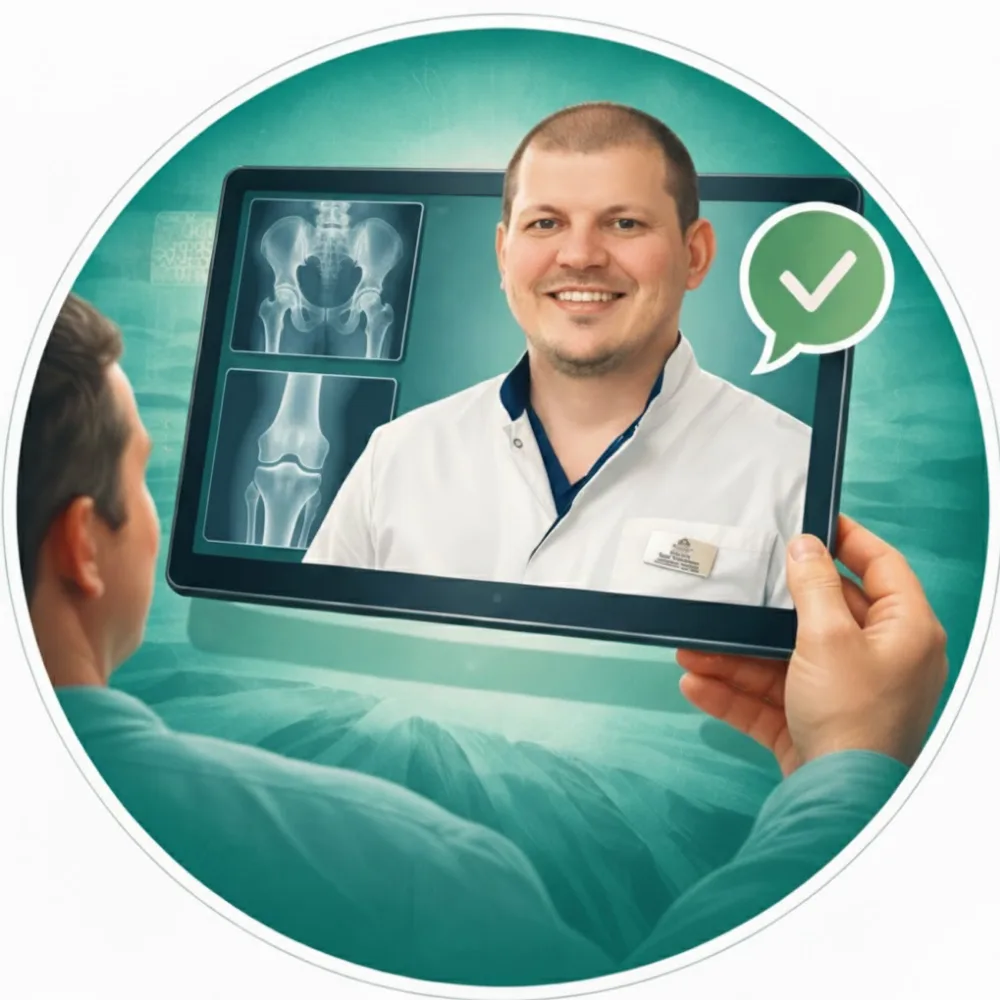
Online consultation
An online consultation allows you to discuss your condition, complaints, and symptoms in advance. You can submit imaging studies and medical documents, ask questions, and receive a preliminary treatment plan before visiting the clinic.
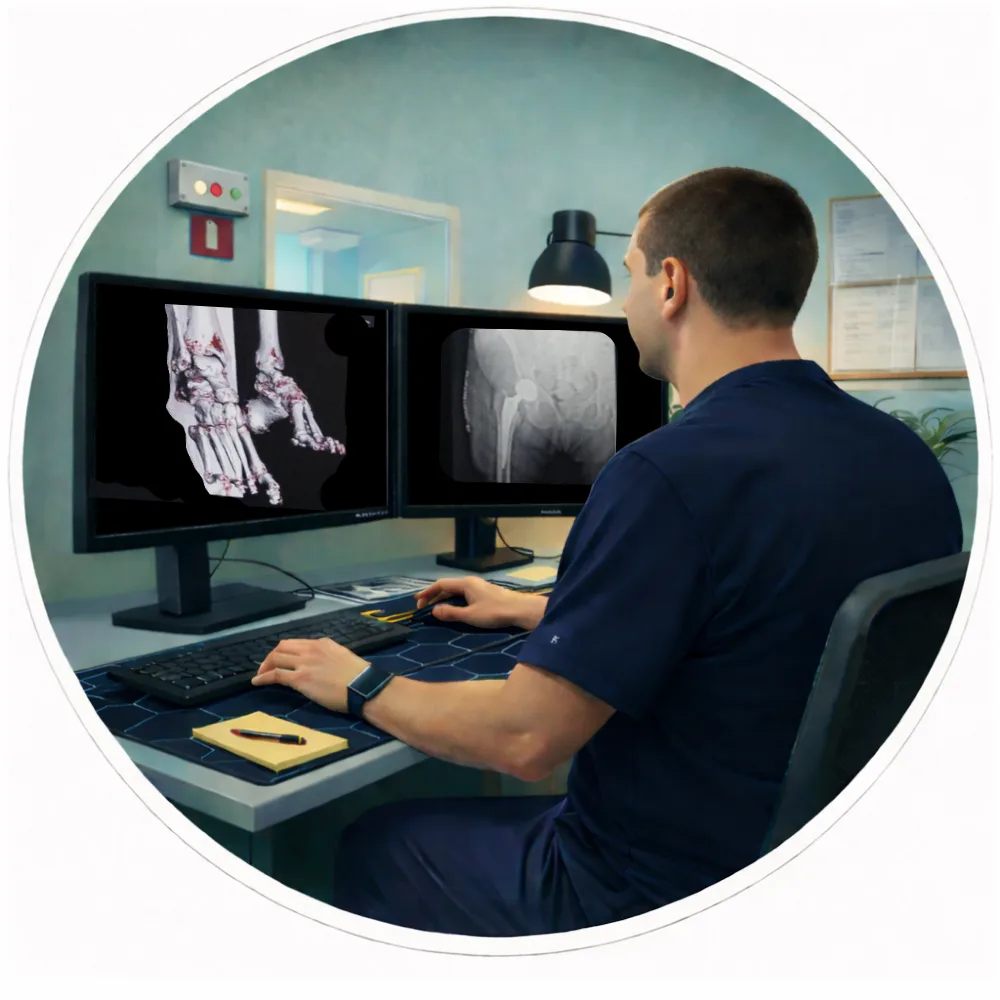
Examination and 3D surgical planning
All necessary examinations are performed within one day. A CT scan of the joint is conducted, followed by computer-based 3D surgical planning and implant selection to ensure maximum precision.

Surgery
On the second day of the clinic stay, the surgical procedure is performed. Original implants by Stryker Corporation (USA) and the MAKO robotic-assisted system are used, ensuring a high level of precision in implant positioning.
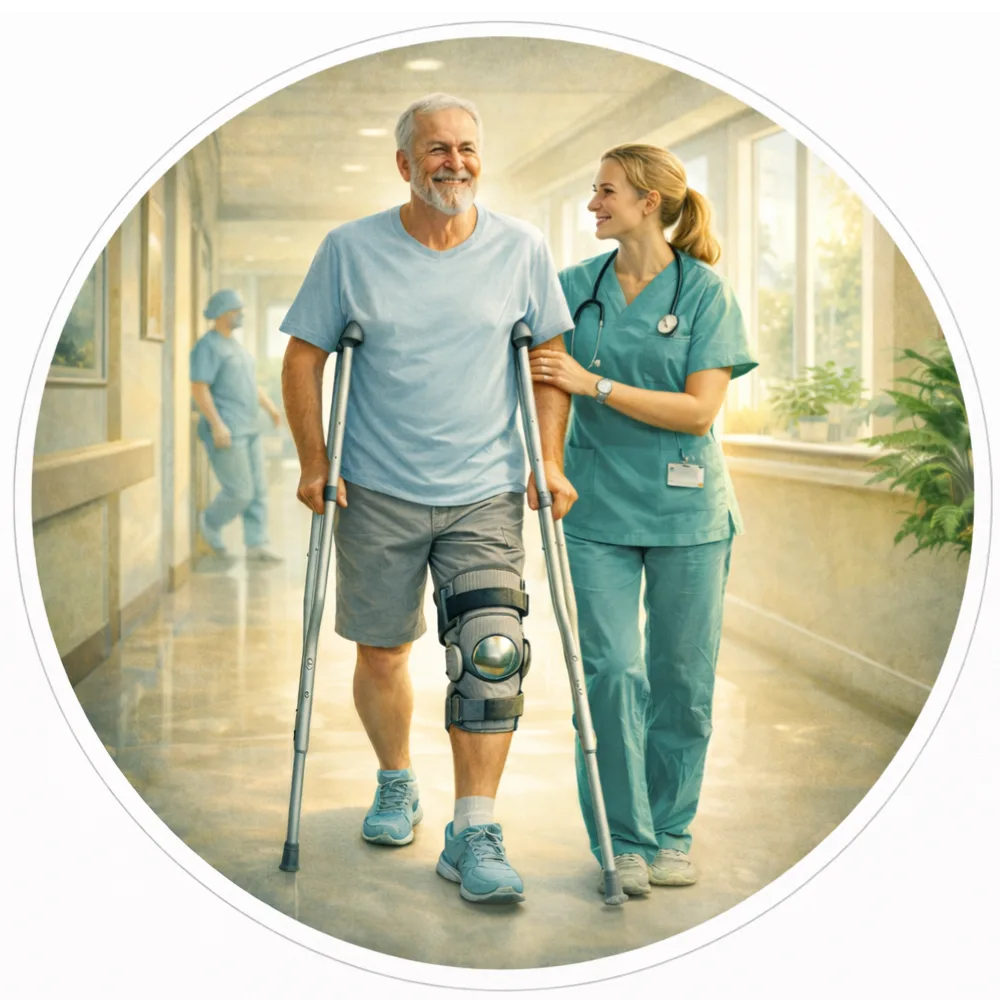
Rehabilitation and follow-up
Recovery begins immediately after surgery. In most cases, you will be able to start walking on the day of the procedure. After discharge, we continue to provide online follow-up care, including recovery guidance, rehabilitation monitoring, and answers to any questions that may arise.
The surgery is performed personally by Zaur Sulumov
The doctor is personally involved in every stage of treatment — from the initial consultation and surgical planning to recovery monitoring and outcome evaluation.
Start Treatment
QUESTIONS AND ANSWERS
In many cases, surgery takes approximately 60–90 minutes. The exact time depends on the anatomy, previous operations and the complexity of the case.
Many patients begin standing and taking their first steps on the day of surgery under professional supervision. The timing is always individualized.
MAKO uses a patient-specific 3D plan and helps the surgeon position the components within the planned boundaries. The surgeon remains in full control of the operation.
Modern anesthesia, multimodal pain control and a tissue-sparing approach help reduce discomfort. Pain levels and medication needs vary between patients.
Modern implants are designed for long-term use and may function for 20 years or longer. Longevity depends on positioning, implant type, activity and individual factors.
Rehabilitation starts early and progresses in stages. Patients receive an individual plan covering walking, exercises, load progression and safety precautions.
The surgeon plans component positioning with the aim of restoring biomechanics and leg length. Temporary sensations of inequality may also relate to pelvic position and muscle recovery.