

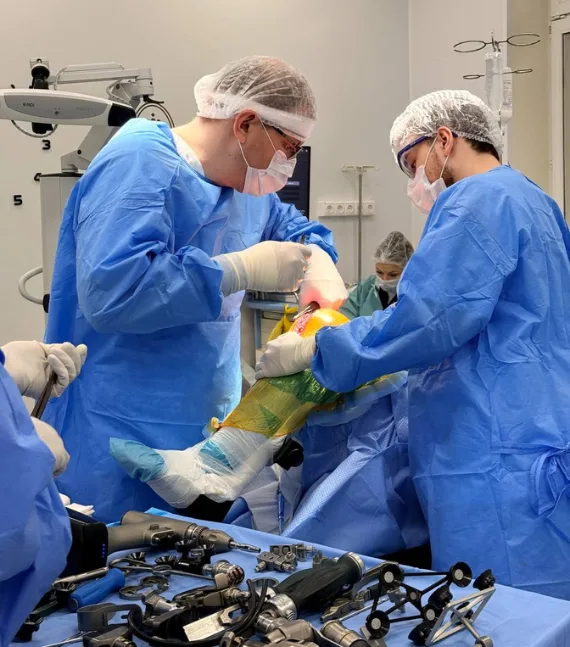
Why precision matters in knee replacement
The knee is a complex joint. Replacement surgery must address implant position, leg alignment and the balance of the surrounding ligaments.
MAKO uses a CT-based 3D model for individual planning and provides the surgeon with intraoperative guidance. This supports accurate implementation of the selected plan while the surgeon retains full control and makes every clinical decision.
Why use a subvastus approach?
When clinically appropriate, knee replacement is performed through a subvastus approach. The quadriceps tendon and extensor mechanism are not cut, which can help reduce soft-tissue trauma and support earlier mobilization.
The approach is selected according to the patient’s anatomy and clinical situation. MAKO planning and a tissue-sparing technique address different parts of the operation and complement one another.
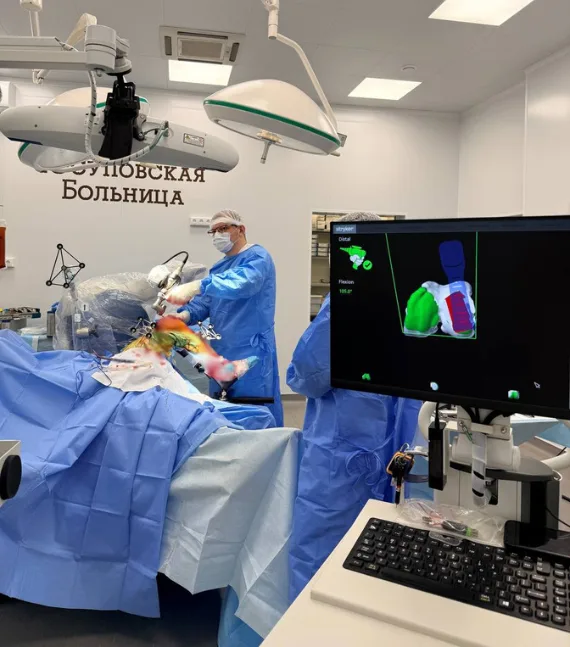
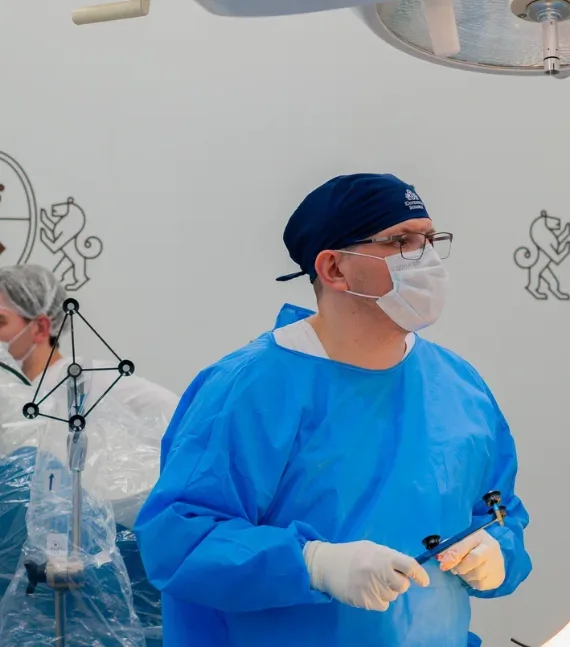
Technology supports — but does not replace — the surgeon
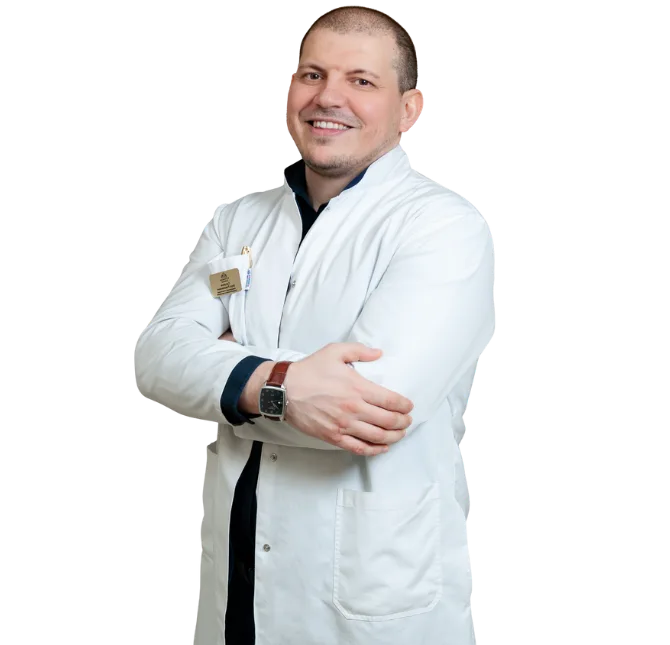
Zaur Sulumov is a highest-category orthopedic surgeon and Head of the Robotic Joint Replacement Unit. During surgery, he evaluates the joint, determines the final implant position and controls every stage of the procedure.
The MAKO system helps reproduce the plan and assess ligament balance. Recovery then continues through an individualized rehabilitation program.
Stages of treatment
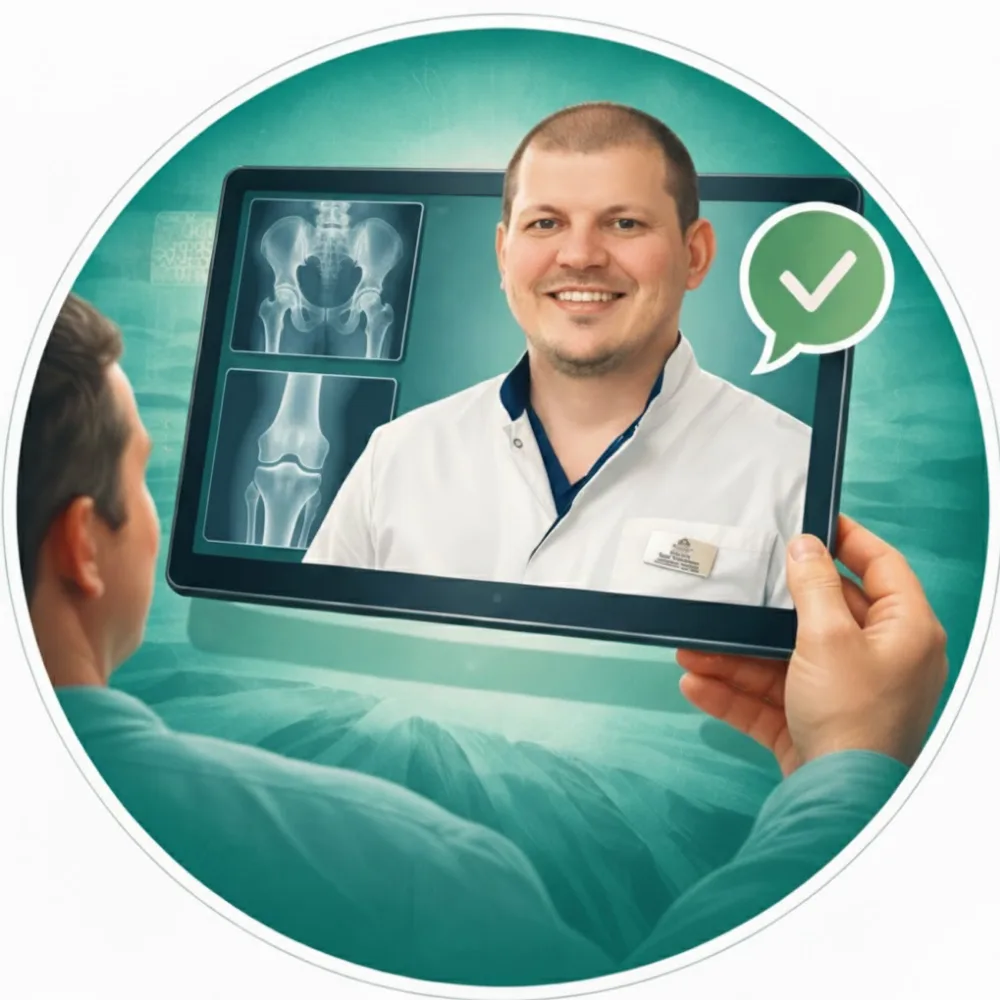
Online consultation
An online consultation allows you to discuss your condition, complaints, and symptoms in advance. You can submit imaging studies and medical documents, ask questions, and receive a preliminary treatment plan before visiting the clinic.
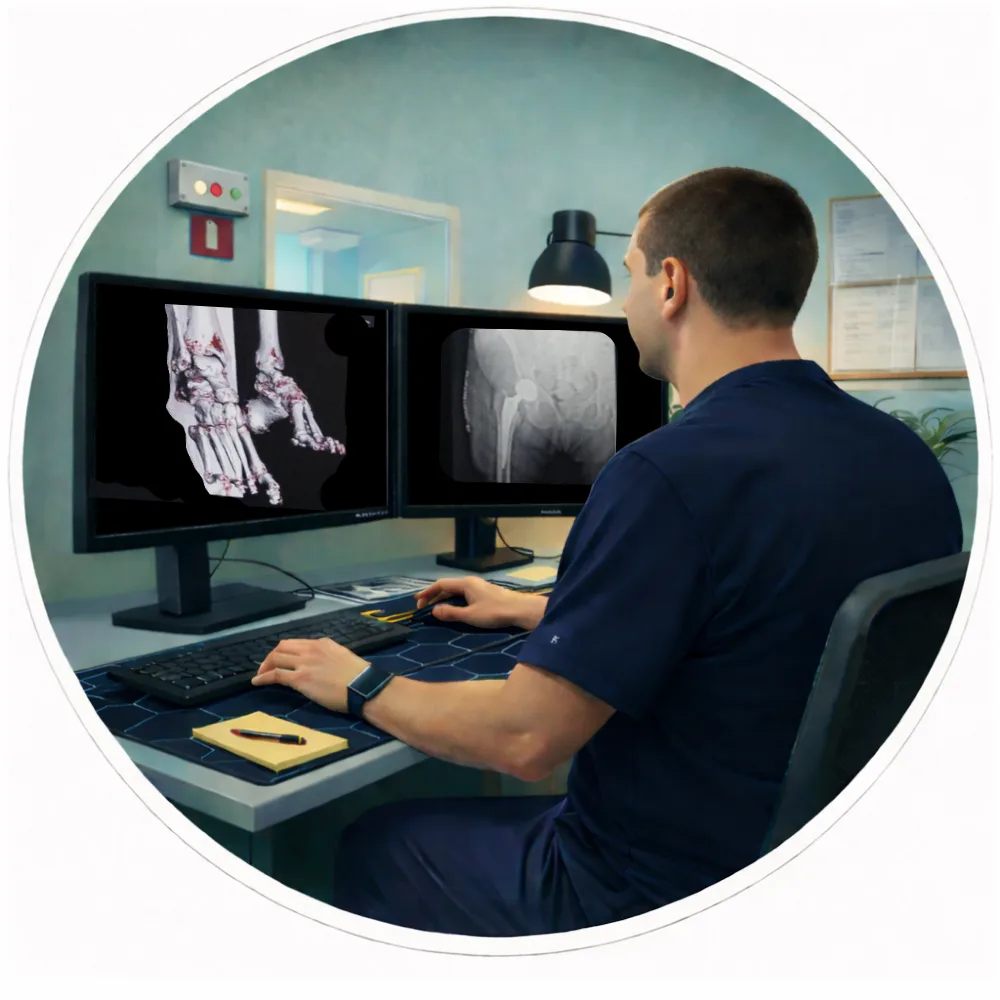
Examination and 3D surgical planning
All necessary examinations are performed within one day. A CT scan of the joint is conducted, followed by computer-based 3D surgical planning and implant selection to ensure maximum precision.

Surgery
On the second day of the clinic stay, the surgical procedure is performed. Original implants by Stryker Corporation (USA) and the MAKO robotic-assisted system are used, ensuring a high level of precision in implant positioning.
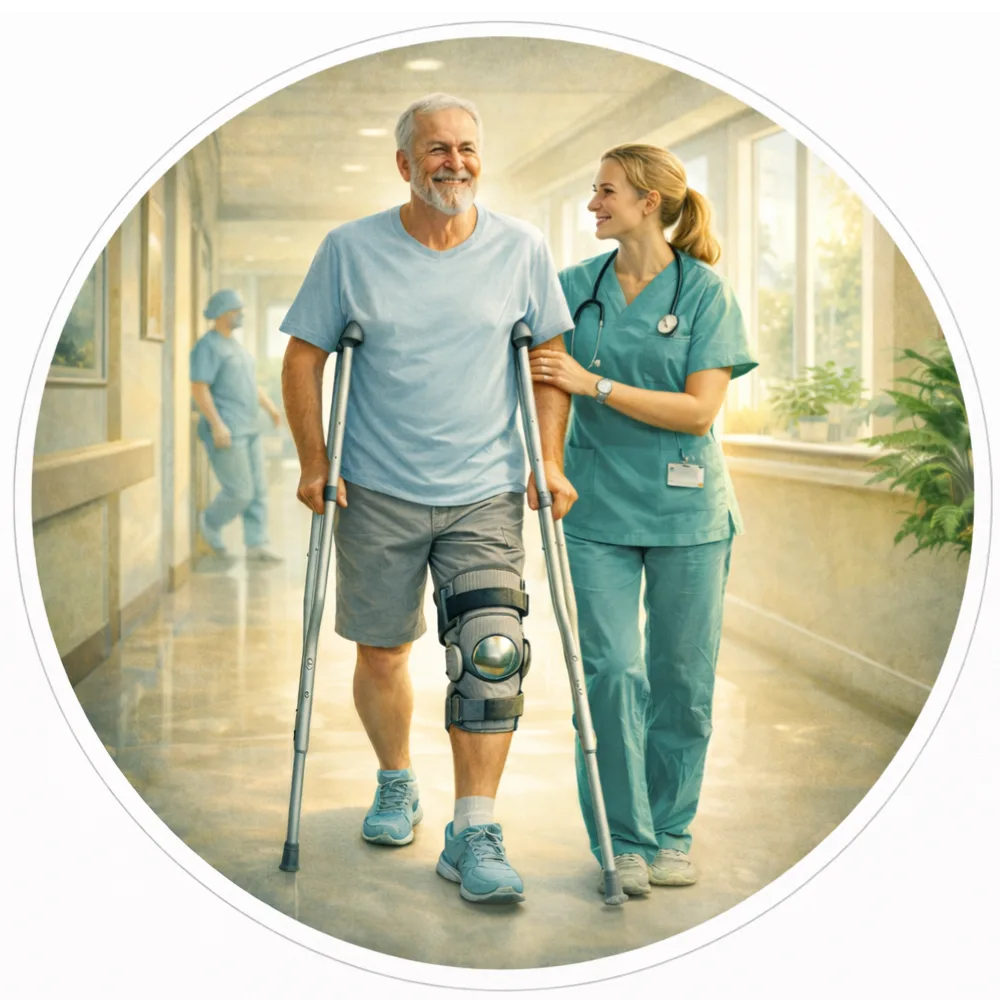
Rehabilitation and follow-up
Recovery begins immediately after surgery. In most cases, you will be able to start walking on the day of the procedure. After discharge, we continue to provide online follow-up care, including recovery guidance, rehabilitation monitoring, and answers to any questions that may arise.
The surgery is performed personally by Zaur Sulumov
The doctor is personally involved in every stage of treatment — from the initial consultation and surgical planning to recovery monitoring and outcome evaluation.
Start Treatment
QUESTIONS AND ANSWERS
In many cases, surgery takes approximately 60–90 minutes. The duration depends on deformity, anatomy and the complexity of the case.
Range-of-motion exercises usually begin early under professional guidance. Progress depends on swelling, pain control and the individual rehabilitation plan.
The CT scan is used to create a 3D model for patient-specific planning of implant size, alignment and position.
Balanced soft tissues help the reconstructed knee remain stable through movement. The surgeon assesses balance and adjusts the plan when necessary.
Moderate swelling is common during early healing and usually decreases over the first weeks. Some swelling may recur for several months after activity.
The goal is to restore useful motion, but the final range depends on preoperative stiffness, soft tissues and rehabilitation. Regular prescribed exercises are important.