


Osteosynthesis for radius fracture
A radius fracture directly affects the precision of hand movements and wrist stability. Even minimal displacement can alter load distribution, leading to reduced grip strength, discomfort when bearing weight on the hand, and limitation of fine motor function.
Osteosynthesis for a radius fracture is indicated when it is essential to restore the correct bone configuration and joint alignment. This is particularly important in intra-articular injuries and unstable fracture patterns, where there is a risk of secondary displacement.
Surgical fixation allows for anatomically accurate alignment of the radius and ensures stability at the injury site. This approach creates conditions for controlled loading and earlier restoration of hand function without deformity or restriction of wrist mobility.
Modern endoscopic and fluoroscopic guidance increases the accuracy of plate and screw placement, which is especially important in displaced radius fractures. This reduces the risk of complications and supports a more predictable functional recovery of the hand.
The treatment strategy is selected individually, taking into account the fracture pattern, bone quality, and the patient’s functional demands. The primary goal is to preserve range of motion, coordination accuracy, and full hand function in everyday life.
Why radius fractures require a precise approach
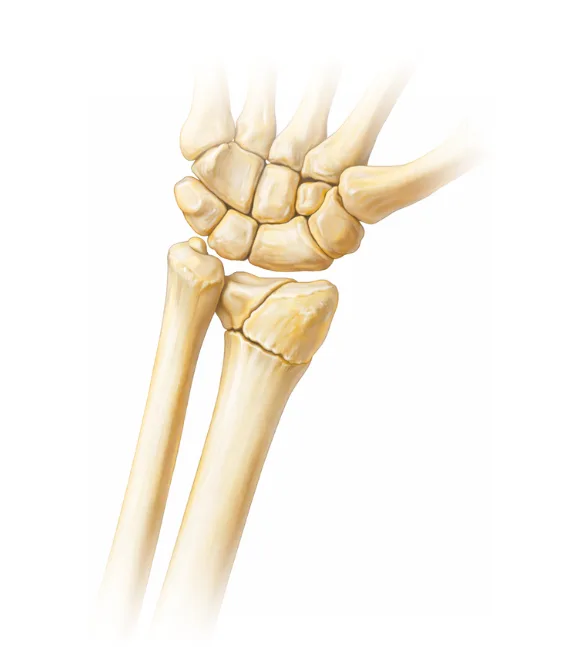
The particular feature of radius fractures lies in their close relationship with wrist joint function and hand movements. This area bears loads associated with weight-bearing on the hand, gripping objects, and performing precise finger movements. In distal radius fractures, even minimal displacement can alter load distribution within the joint, leading to pain during movement, reduced wrist mobility, and a sense of “instability” in the hand.
Fractures involving the articular surface of the radius present additional complexity. In such cases, it is important not only to achieve bone union but also to restore the smoothness of the joint surfaces to prevent premature wear and the development of post-traumatic changes. We assess the fracture pattern, the degree of displacement, fragment stability, and the potential long-term impact on hand function.
Comprehensive diagnostics and an individualized approach allow us to select a treatment strategy focused on preserving wrist mobility, grip strength, and functional comfort in daily life. The main goal is to restore the anatomy of the radius in a way that enables the patient to return to normal activities without limitations or chronic pain.
Restoration of hand function after a radius fracture
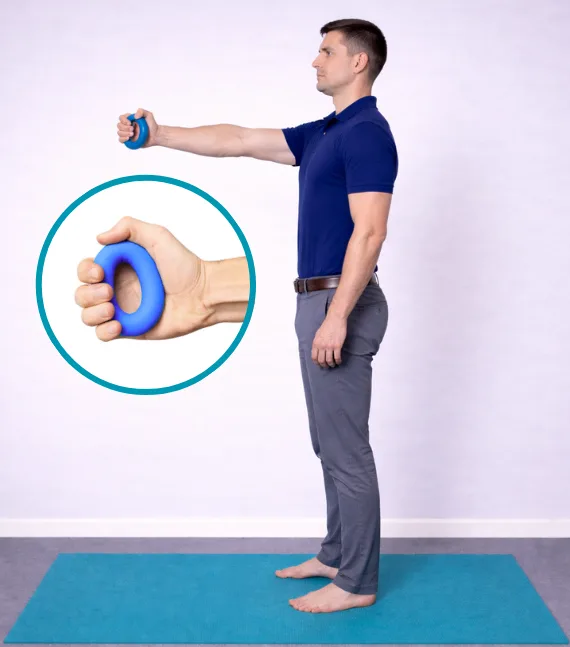
In a radius fracture, the overall treatment outcome largely depends on how confidently the hand functions in everyday activities. Even with proper bone healing, reduced wrist mobility may present as discomfort during weight-bearing, weakened grip strength, and difficulty performing precise movements. Patients often notice this particularly when handling small objects or during repetitive tasks.
After osteosynthesis, a gradual return of wrist motion and hand strength is essential without overloading the joint. We focus on restoring wrist mobility, coordination, and endurance to ensure movements remain controlled and predictable. Premature loading or prolonged restriction of activity may delay recovery, so the rehabilitation strategy is tailored individually.
We support the patient throughout the recovery phase, assessing how the hand responds to load and how movement improves over time. This approach helps restore confidence in hand function, maintain movement precision, and prevent prolonged stiffness or pain during daily activities.
Stages of treatment
Online consultation
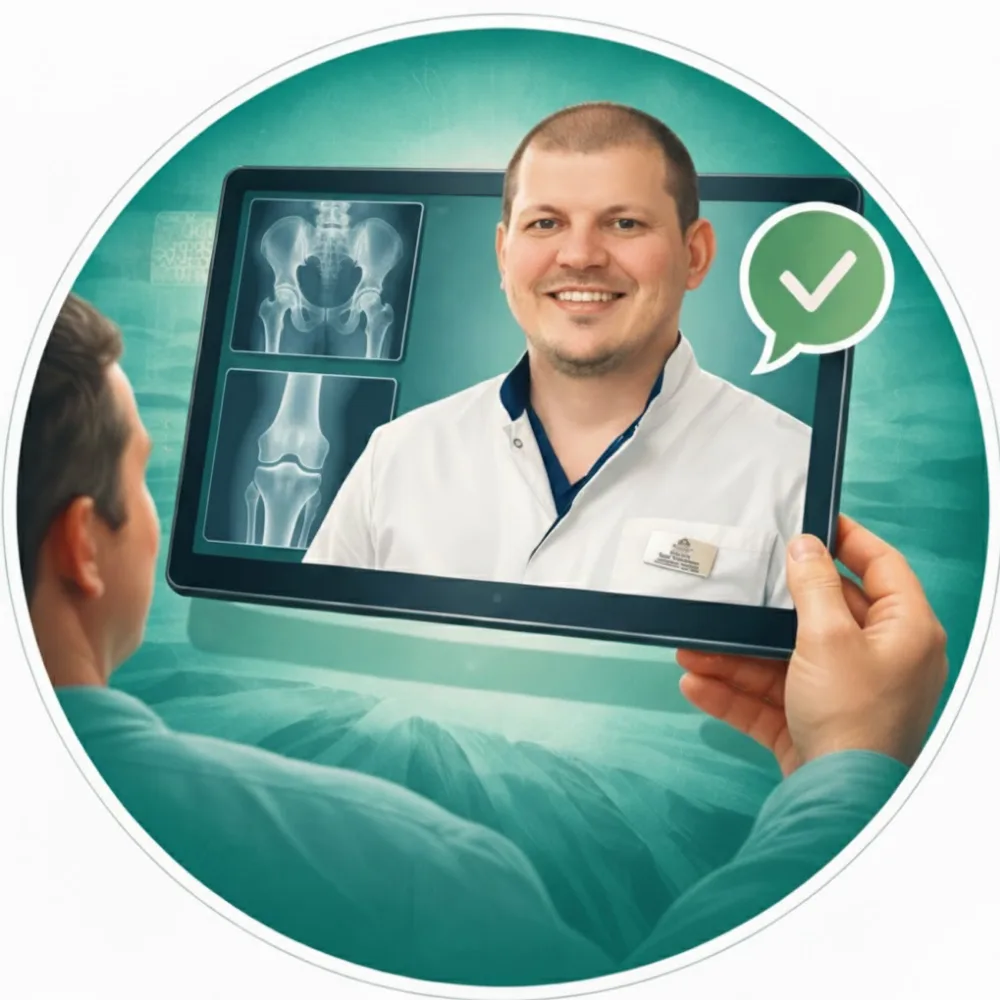
An online consultation allows you to discuss your condition, complaints, and symptoms in advance. You can submit imaging studies and medical documents, ask questions, and receive a preliminary treatment plan before visiting the clinic.
Examination and 3D surgical planning
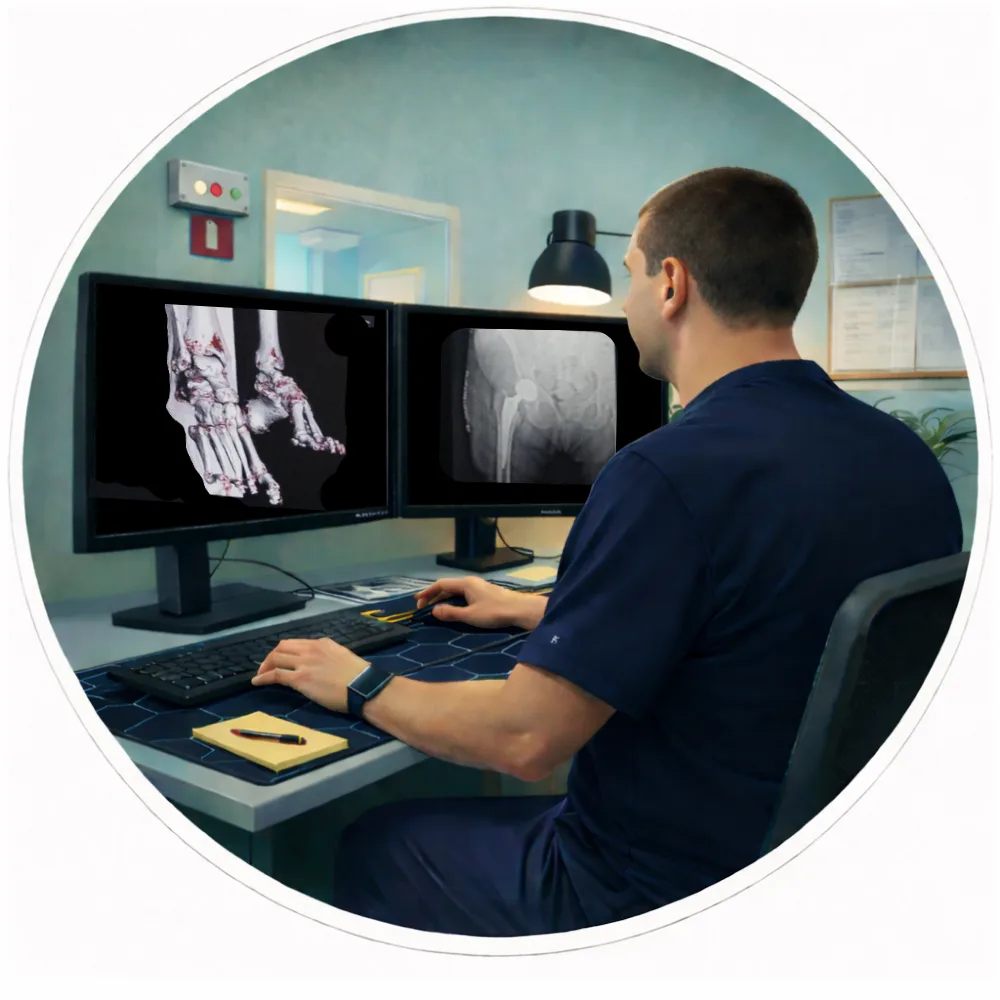
All necessary examinations are performed within one day. A CT scan of the joint is conducted, followed by computer-based 3D surgical planning and implant selection to ensure maximum precision.

Surgery
On the second day of the clinic stay, the surgical procedure is performed. Original implants by Stryker Corporation (USA) and the MAKO robotic-assisted system are used, ensuring a high level of precision in implant positioning.

Rehabilitation and follow-up
Recovery begins immediately after surgery. In most cases, you will be able to start walking on the day of the procedure. After discharge, we continue to provide online follow-up care, including recovery guidance, rehabilitation monitoring, and answers to any questions that may arise.
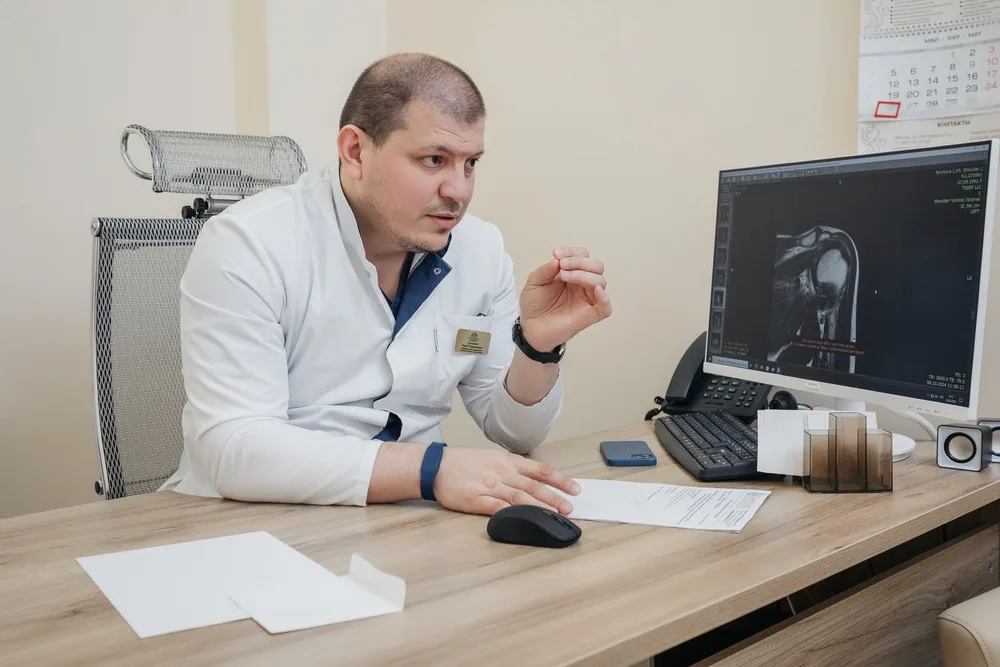
The surgery is performed personally by Zaur Sulumov
The doctor is personally involved in every stage of treatment — from the initial consultation and surgical planning to recovery monitoring and outcome evaluation.
Start Treatment
FAQ
The duration depends on the type of fracture and the fixation method. On average, surgery lasts from 30 to 120 minutes. In complex or comminuted fractures, operative time may be longer.
The timing of weight-bearing depends on the fracture location and stability of fixation. In some cases, movement is allowed within the first days after surgery, while full weight-bearing depends on the fracture type. For intra-articular fractures, a forced pause of 4–8 weeks may be required, with gradual progression under medical supervision and follow-up X-rays.
There is no pain during the operation due to anesthesia. After surgery, discomfort is managed with a modern pain-control protocol and typically decreases as the fracture heals.
Not always. Implants from leading manufacturers are commonly used, and in most cases plates and screws can remain in the body permanently. Removal is considered individually if there is discomfort or specific medical indications.
Average bone healing time ranges from 6 to 12 weeks, but this may vary depending on the patient’s age, fracture type, and overall health condition.
Rehabilitation focuses on restoring movement, muscle strength, and limb function. The program is individualized and may include physical therapy, physiotherapy, and gradual increase of load.
Not all fractures require surgical treatment. However, in cases of fragment displacement, instability, or risk of improper healing, osteosynthesis ensures accurate alignment and improves the functional outcome.