

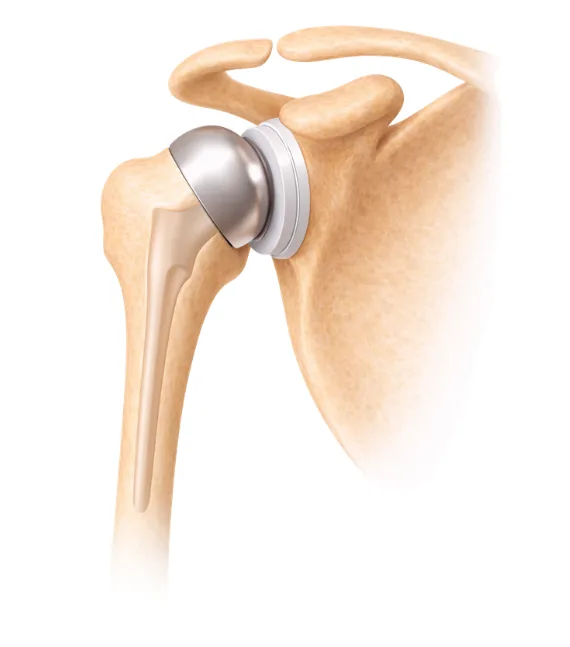
When anatomical shoulder arthroplasty is the optimal solution
Anatomical shoulder arthroplasty is considered the preferred treatment option when rotator cuff function is preserved and the shoulder anatomy allows restoration of the joint’s natural biomechanics. The most common indications include advanced shoulder osteoarthritis, post-traumatic conditions, and degenerative changes of the articular surfaces accompanied by pain, limited motion, and reduced quality of life.
The shoulder joint has a wide range of motion, but its stability depends on the coordinated function of muscles and tendons. With an intact rotator cuff, an anatomical prosthesis enables precise restoration of the center of rotation, joint surface configuration, and physiological load distribution. This is particularly important for patients who aim to maintain an active lifestyle and full range of motion after surgery.
Before making a decision, a thorough clinical assessment is performed, including evaluation of cartilage wear, bone alignment, tendon condition, and the patient’s functional goals. Comprehensive diagnostics using X-ray, CT, or MRI help determine whether anatomical shoulder arthroplasty can provide a stable and predictable outcome without unnecessary surgical intervention.
What influences the choice of an anatomical shoulder prosthesis
The choice of anatomical shoulder arthroplasty is always based on a combination of clinical findings and the patient’s functional goals. The condition of the rotator cuff is crucial, as it provides stability and controlled shoulder movement after surgery. When the rotator cuff is intact, an anatomical prosthesis allows restoration of natural biomechanics without shifting load to other structures.
The degree of articular surface deformity, bone quality, and the presence of post-traumatic changes are also taken into account. In cases of significant defects of the humeral head or the glenoid, additional bone preparation may be required to ensure secure fixation of the prosthetic components. Accurate positioning directly influences implant longevity and comfort during daily activities.
We evaluate not only imaging studies but also the patient’s lifestyle, including physical activity level, occupational demands, and dominant arm. For some, the priority is максимizing range of motion; for others, stability and pain relief are most important. This individualized assessment allows anatomical shoulder arthroplasty to be selected in cases where it will provide a predictable and functionally justified outcome.
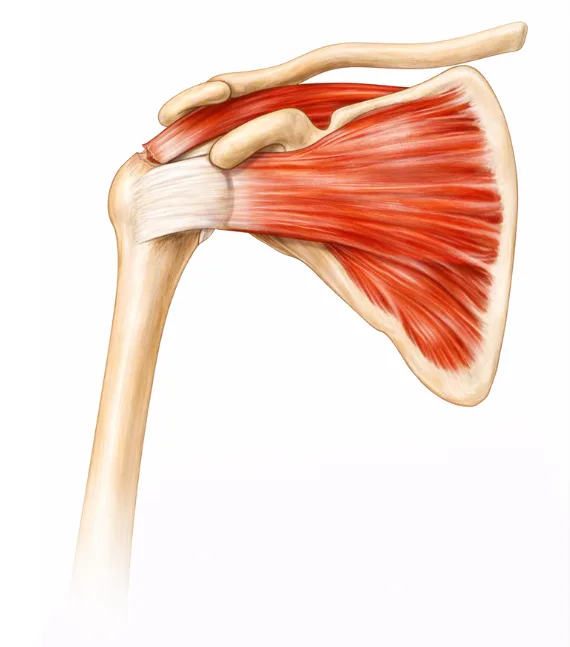

Restoration of motion after anatomical shoulder arthroplasty
After anatomical shoulder arthroplasty, the primary goal is to establish stable and well-controlled arm function. This involves not only pain relief but also the restoration of precise coordination, strength, and confidence in upper limb movements. Rehabilitation takes into account shoulder anatomy, implant positioning, and the condition of the rotator cuff.
The early phase focuses on protecting soft tissues and gradually adapting the shoulder to load. Later, emphasis shifts to restoring range of motion, strengthening stabilizing muscles, and improving movement coordination. When the rotator cuff is preserved, it is possible to restore biomechanics close to physiological, reducing excessive stress on the prosthetic components.
The rehabilitation strategy is individualized, based on load tolerance, progression of motion, and the patient’s functional goals. This approach ensures a predictable outcome and a safe return to active life without a sense of instability or limitation.
Stages of treatment
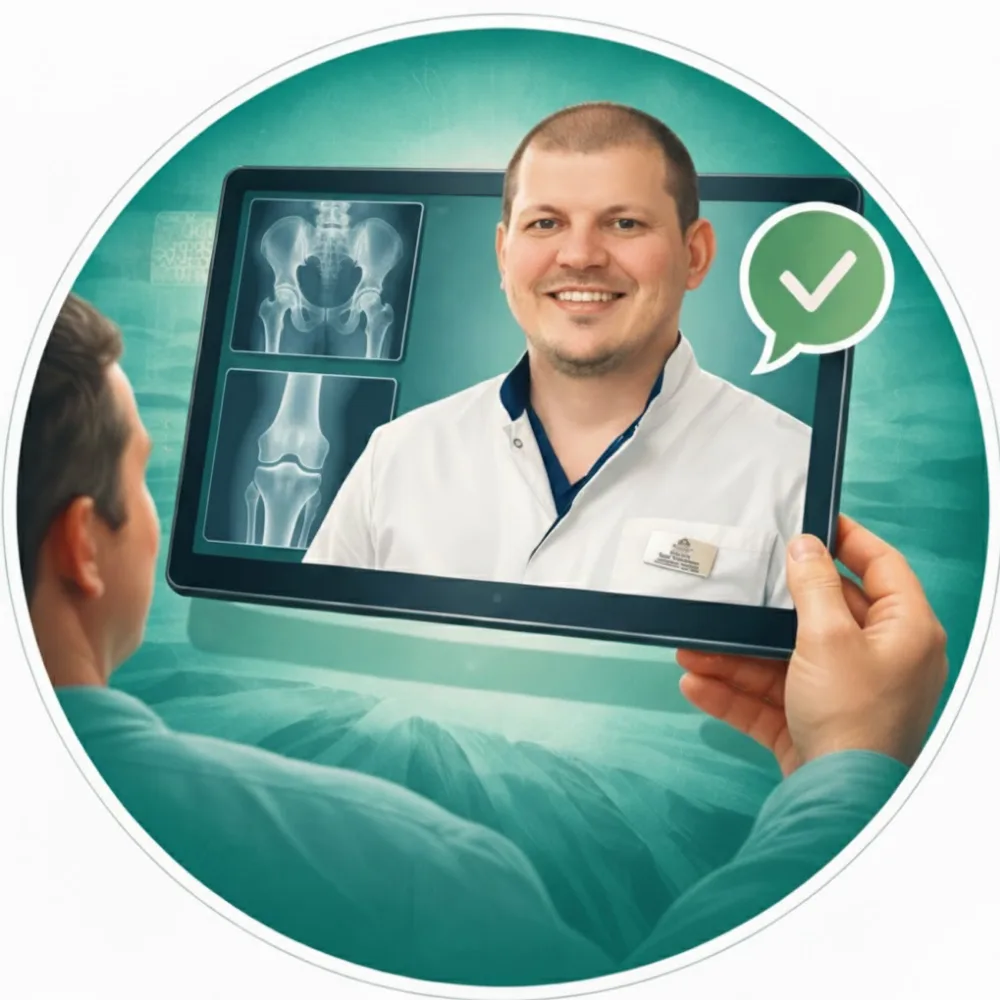
Online consultation
An online consultation allows you to discuss your condition, complaints, and symptoms in advance. You can submit imaging studies and medical documents, ask questions, and receive a preliminary treatment plan before visiting the clinic.
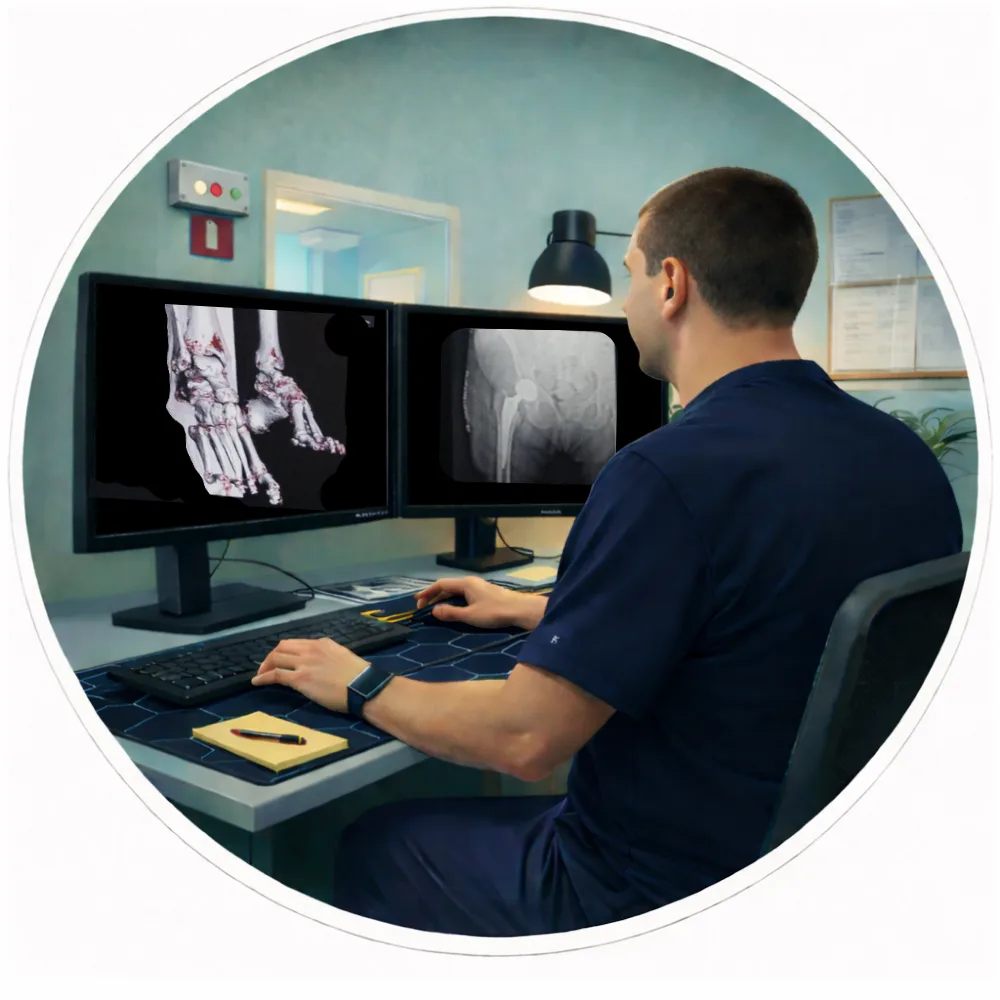
Examination and 3D surgical planning
All necessary examinations are performed within one day. A CT scan of the joint is conducted, followed by computer-based 3D surgical planning and implant selection to ensure maximum precision.

Surgery
On the second day of the clinic stay, the surgical procedure is performed. Original implants by Stryker Corporation (USA) and the MAKO robotic-assisted system are used, ensuring a high level of precision in implant positioning.
Rehabilitation and follow-up
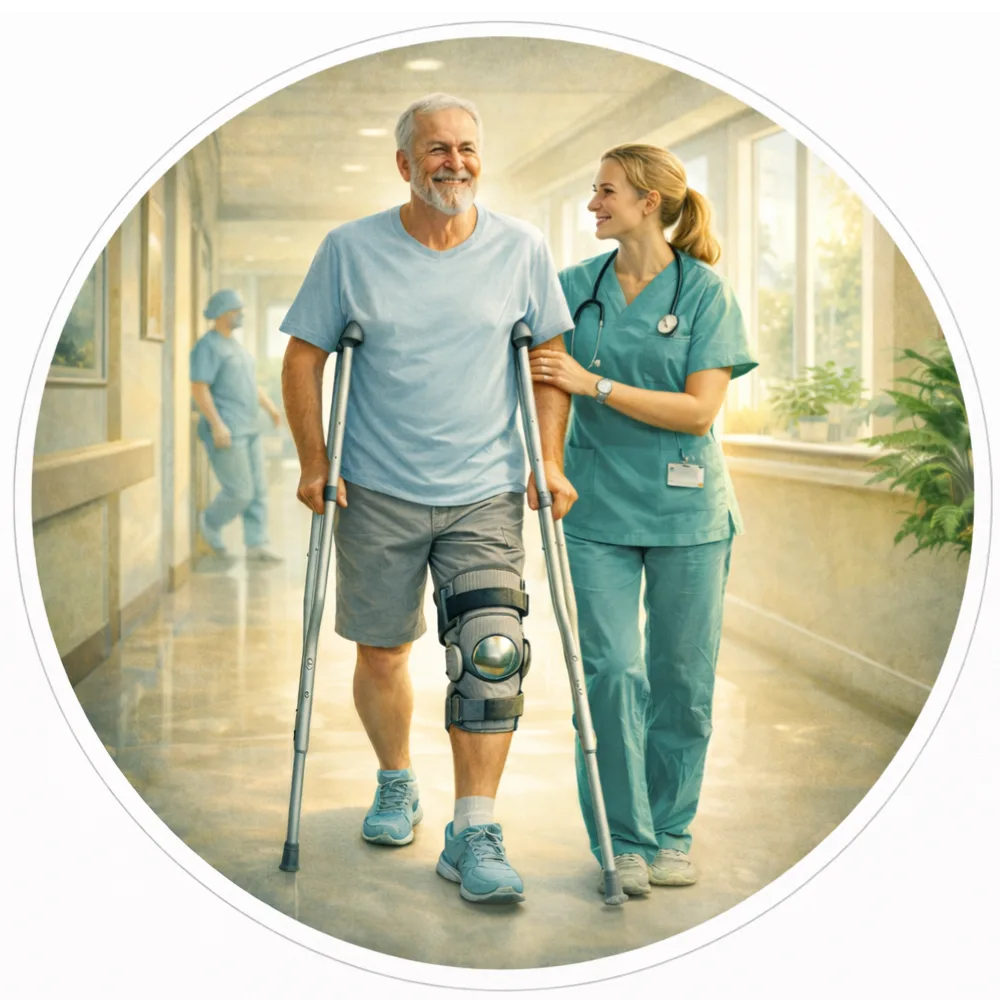
Recovery begins immediately after surgery. In most cases, you will be able to start walking on the day of the procedure. After discharge, we continue to provide online follow-up care, including recovery guidance, rehabilitation monitoring, and answers to any questions that may arise.
The surgery is performed personally by Zaur Sulumov
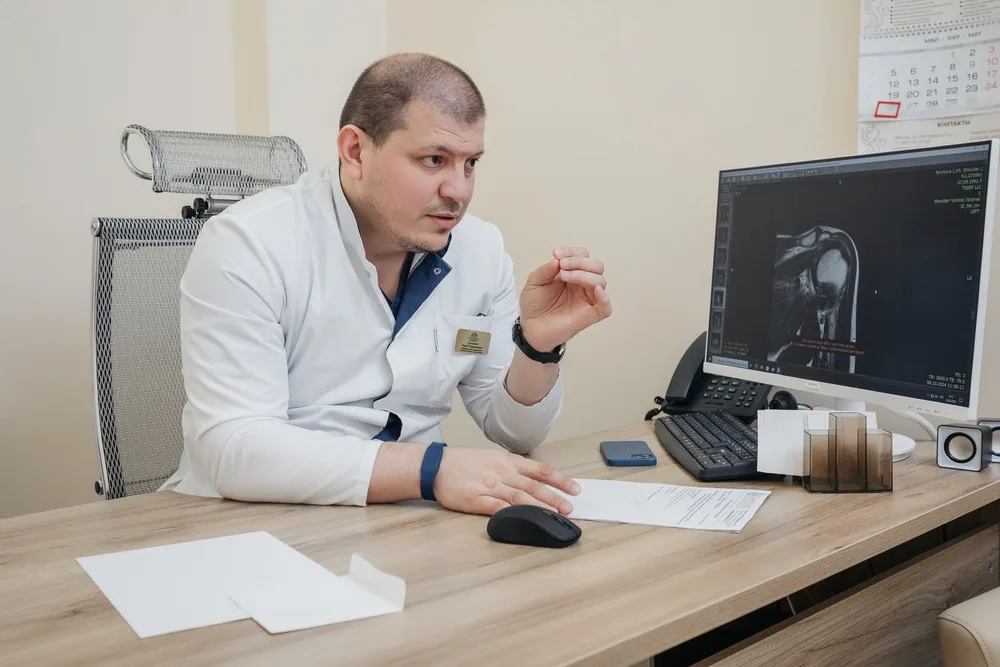
The doctor is personally involved in every stage of treatment — from the initial consultation and surgical planning to recovery monitoring and outcome evaluation.
Start Treatment
FAQ
This is a prosthesis that replicates the natural anatomy of the shoulder joint:
The humeral head is replaced with a metal component
The glenoid (shoulder socket) surface is replaced with a polyethylene cup
It closely mimics the normal biomechanics of the shoulder.
Suitable for patients with:
An intact or repairable rotator cuff
Shoulder joint osteoarthritis
No pronounced instability
The presence of a functioning rotator cuff is a key requirement.
Physiological biomechanics
Good range of motion
Natural joint sensation
When used for the correct indications, it provides a high functional outcome.
It is recommended to avoid:
heavy strength exercises
sudden jerking movements
extreme weight lifting
Gradual restoration of movement occurs over several months.
With severe rotator cuff damage, function may worsen.
In such cases, a switch to a reverse shoulder prosthesis may be required.