

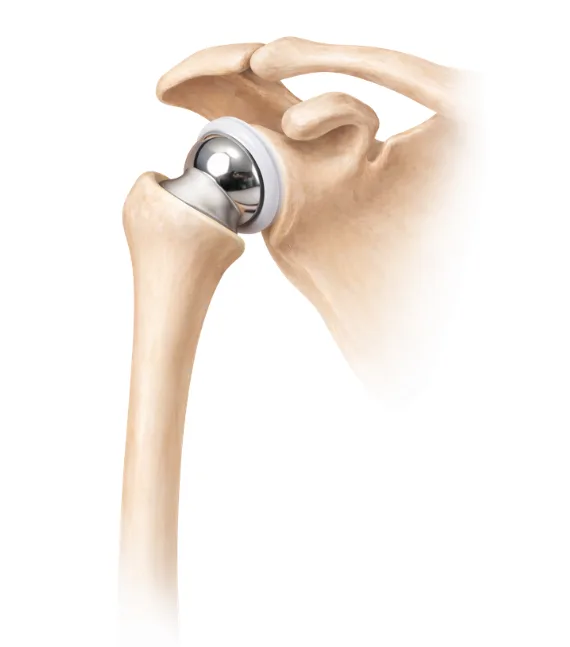
Shoulder Replacement in Moscow
The shoulder joint provides a wide range of arm movements — from lifting and abduction to rotation and precise daily activities. When the joint is destroyed or severely damaged, a person experiences not only pain but also difficulty lifting the arm, dressing independently, reaching shelves, and performing routine tasks.
Shoulder replacement is a surgical procedure in which damaged joint surfaces are replaced with a prosthesis. The primary goal is to restore arm function and reduce pain, allowing the patient to return to everyday activities and gradually regain range of motion.
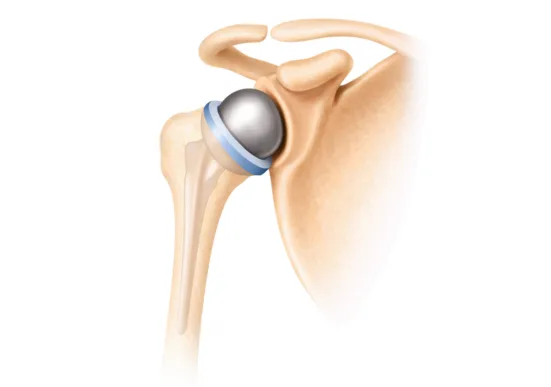
The surgical strategy is selected individually, taking into account the cause of the problem (osteoarthritis, trauma, fractures, rotator cuff damage), bone quality, the patient’s activity level, and functional demands. In some cases, reverse shoulder replacement becomes the optimal solution, particularly in severe rotator cuff dysfunction and complex shoulder injuries.
During the initial consultation in Moscow, we review examination results, explain available treatment options in clear language, and discuss what to expect during preparation and recovery — without pressure and without promises of “perfect results.”
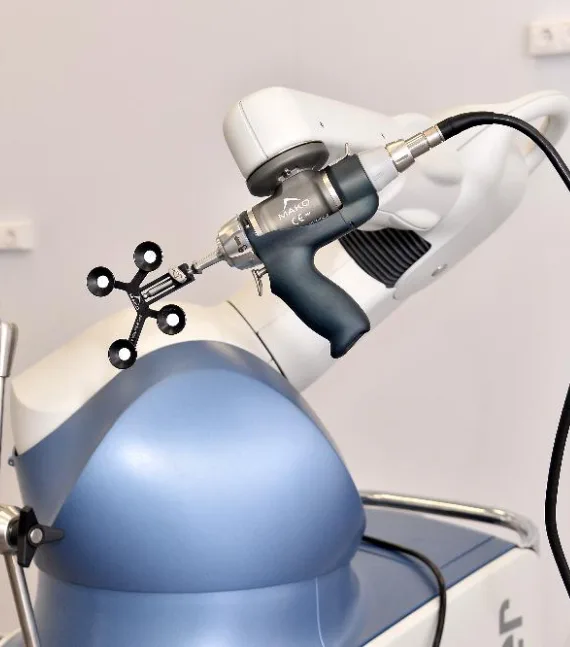
MAKO Robot and Shoulder Replacement: What Patients Should Know
At present, robotic-assisted shoulder replacement using the MAKO system is not performed in the Russian Federation. Unlike hip and knee procedures, where robotic technologies are already integrated into clinical practice, shoulder replacement remains at the stage of international experience accumulation and gradual implementation.
Interest in robotic assistance for shoulder surgery is growing. This is due to the anatomical complexity of the shoulder: high mobility, variable glenoid shape, and strong dependence of outcomes on precise component positioning. In global practice, the MAKO robot is viewed not as a “robot-surgeon,” but as a tool that helps the surgeon more accurately execute a pre-planned strategy, ensuring correct implant orientation and bone preservation in complex deformities and reverse shoulder replacement.
It is important to emphasize that the presence of a robot does not guarantee results. Surgical success depends on the surgeon’s experience, proper patient selection, understanding of shoulder biomechanics, and well-structured rehabilitation. We adhere to the principle of transparency and openly inform patients about available technologies and the prospects for their implementation in Russia.
Main Indications for Shoulder Replacement
Shoulder replacement is considered when disease or injury leads to persistent pain, functional impairment, and significant limitation of daily activity, and when conservative treatment no longer provides stable relief.
The main indications include:
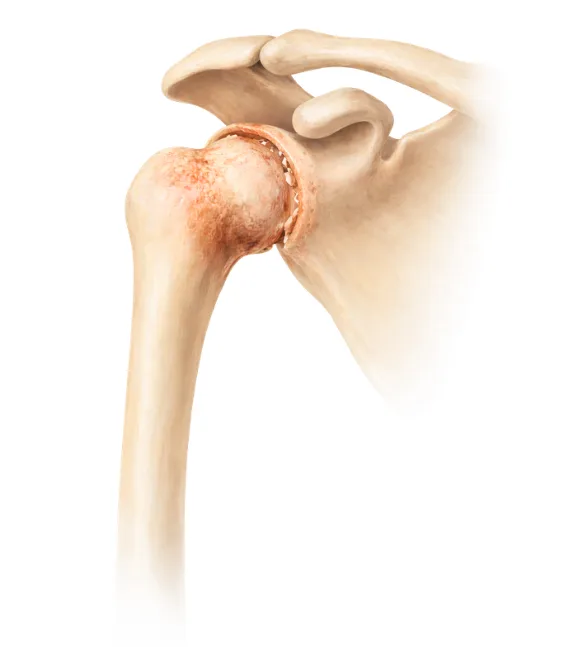
Advanced shoulder osteoarthritis with cartilage destruction and progressive pain
Post-traumatic changes and complex fractures of the proximal humerus
Chronic inflammatory arthritis affecting the shoulder joint
Severe rotator cuff tears leading to joint instability and loss of arm elevation
Avascular necrosis of the humeral head
Conditions in which other reconstructive procedures cannot restore joint function
Persistent limitation of range of motion and loss of independence in daily activities
The decision to perform shoulder replacement surgery is made after in-person consultation and comprehensive diagnostics. The physician evaluates joint structures, rotator cuff condition, bone quality, functional demands, and comorbidities to determine the optimal surgical approach and expected recovery outcome.
Stages of treatment
Online consultation
An online consultation allows you to discuss your condition, complaints, and symptoms in advance. You can submit imaging studies and medical documents, ask questions, and receive a preliminary treatment plan before visiting the clinic.
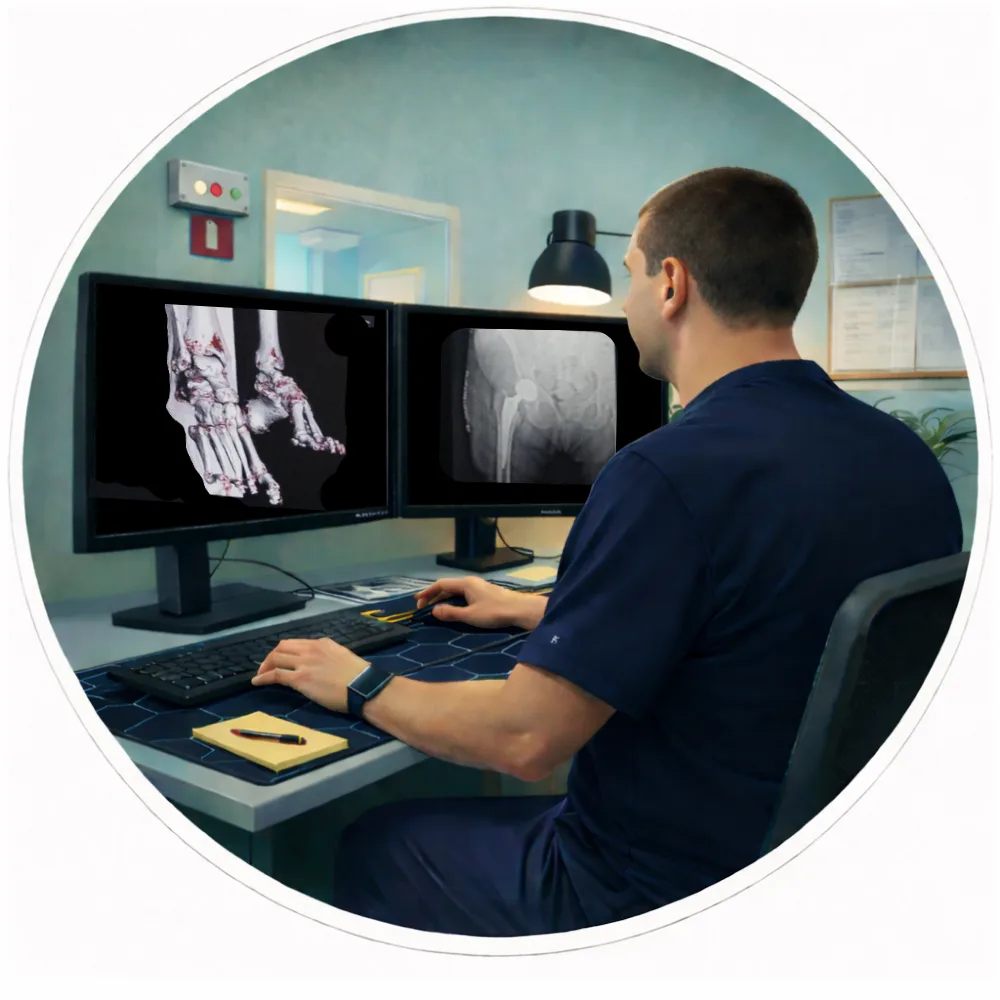
Examination and 3D surgical planning
All necessary examinations are performed within one day. A CT scan of the joint is conducted, followed by computer-based 3D surgical planning and implant selection to ensure maximum precision.

Surgery
On the second day of the clinic stay, the surgical procedure is performed. Original implants by Stryker Corporation (USA) and the MAKO robotic-assisted system are used, ensuring a high level of precision in implant positioning.
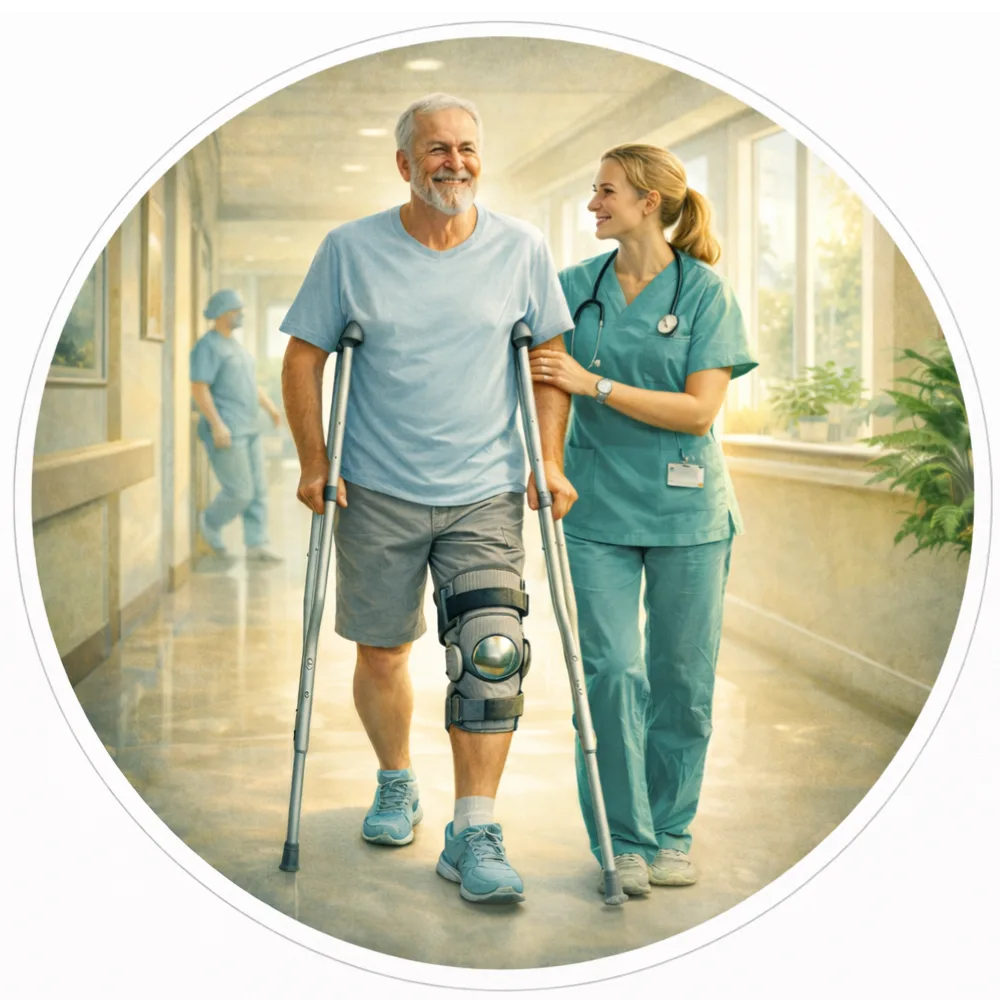
Rehabilitation and follow-up
Recovery begins immediately after surgery. In most cases, you will be able to start walking on the day of the procedure. After discharge, we continue to provide online follow-up care, including recovery guidance, rehabilitation monitoring, and answers to any questions that may arise.
Choose the Type of Surgery
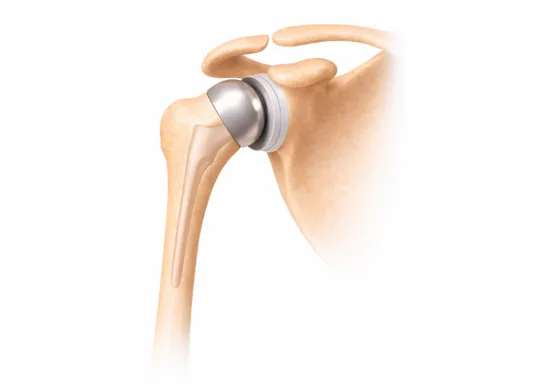
Anatomical
Replacement of the joint surfaces while preserving the natural biomechanics of the shoulder, where the head is positioned on the humerus and the socket on the scapula. Indicated for osteoarthritis with preserved rotator cuff function. Allows restoration of range of motion and reduction of pain.
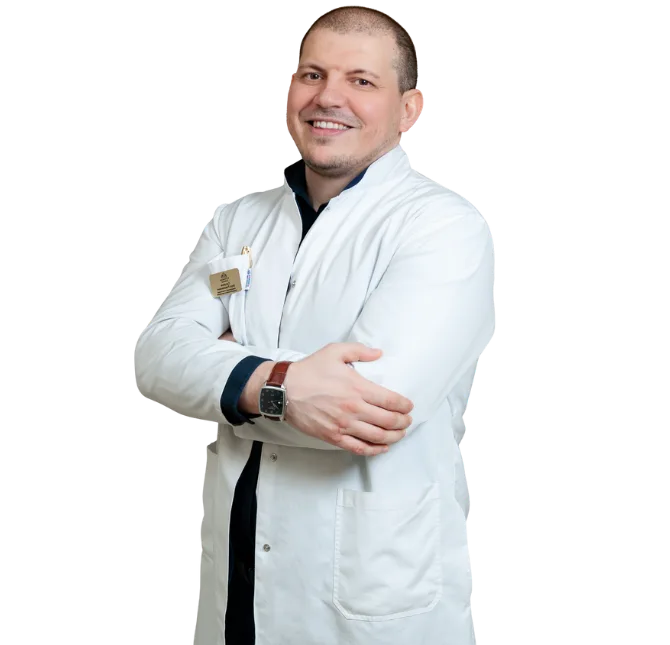
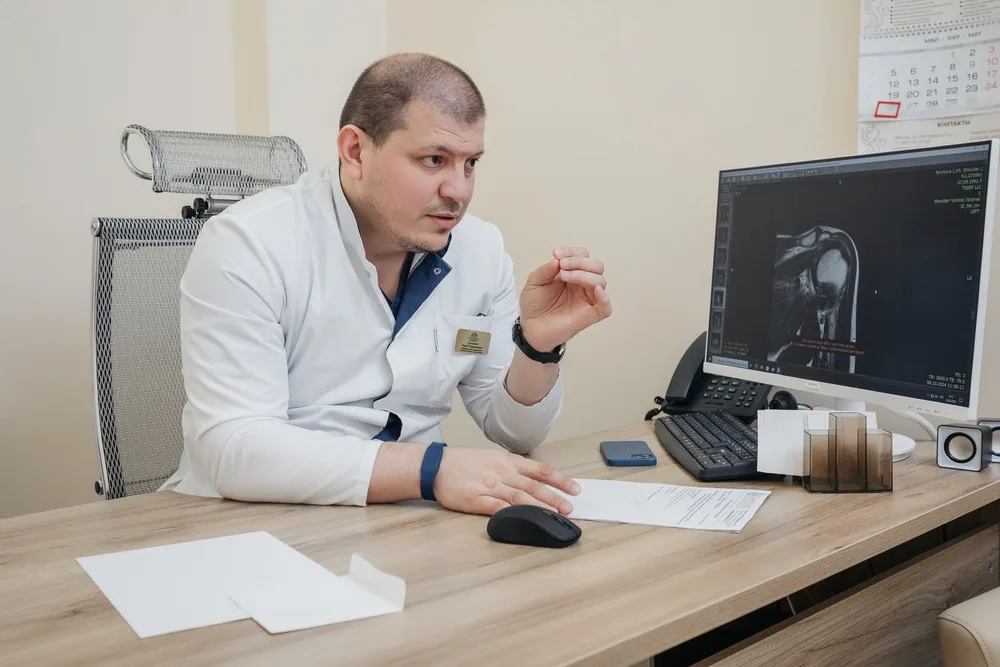
The surgery is performed personally by Zaur Sulumov
The doctor is personally involved in every stage of treatment — from the initial consultation and surgical planning to recovery monitoring and outcome evaluation.
Start Treatment
FAQ
On average, shoulder replacement surgery lasts from 60 to 120 minutes. The duration depends on the type of implant (anatomic or reverse), bone quality, and the patient’s individual anatomical features.
Passive movements of the shoulder joint usually begin within the first 24 hours after surgery under specialist supervision. Active movements are introduced gradually according to an individualized rehabilitation program.
There is no pain during the operation due to anesthesia. After surgery, pain is controlled with modern analgesic protocols and gradually decreases during the first weeks.
Modern shoulder implants are designed to last 15–20 years or more. Implant longevity depends on physical activity level, surgical technique, and adherence to medical recommendations.
Rehabilitation begins immediately after surgery and includes stages of immobilization, gradual restoration of range of motion, and muscle strengthening. The active recovery period typically lasts 3–6 months.
During the first months, certain limitations in load and range of motion are necessary. After completing rehabilitation, most patients report significant pain reduction and improved arm function in daily activities.
At early stages, conservative treatment may be effective. However, in cases of advanced joint destruction, shoulder replacement remains the most effective method to restore function and improve quality of life.