


Hip Replacement in Moscow
Hip replacement in Moscow is a high-technology surgical procedure aimed at relieving chronic pain, restoring mobility, and helping patients return to an active life in cases of severe joint disease and degenerative changes. Surgical treatment is considered when medication, injections, and physiotherapy no longer provide stable symptom control.
The procedure involves replacing damaged joint surfaces with a modern implant that anatomically reproduces the structure of the hip joint. This allows elimination of the source of pain, restoration of weight-bearing function, and recovery of a full range of motion.
Surgery is planned individually, taking into account the patient’s anatomy, the extent of joint damage, level of physical activity, and associated conditions. The primary goal is not simply implant placement, but precise restoration of joint biomechanics and achievement of long-term functional outcomes.
The decision to proceed with hip replacement is made after an in-person consultation with an orthopedic trauma surgeon and comprehensive diagnostics. The patient receives detailed explanations of indications, alternative treatment options, expected outcomes, and possible postoperative limitations.
MAKO Stryker — Precision You Can Trust in Hip Replacement
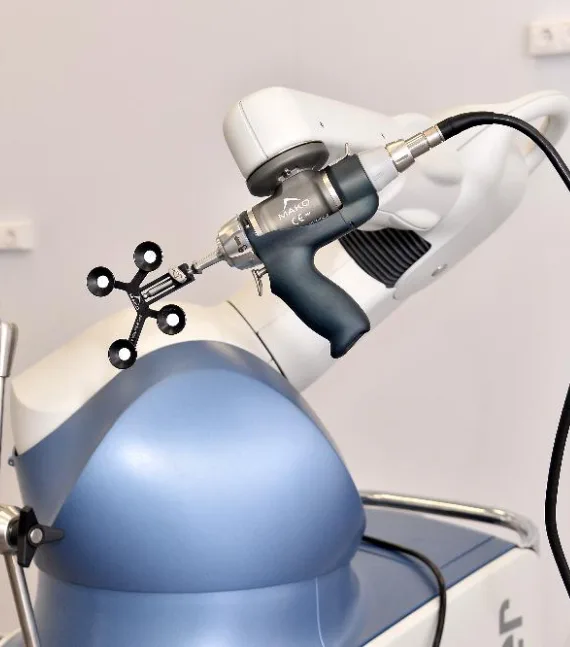
The MAKO Stryker robotic-assisted system is used in hip replacement surgery to enhance surgical precision and control at every stage of the procedure. The technology combines individualized computer-based 3D planning with intraoperative navigation, allowing consideration of each patient’s unique anatomy.
Before surgery, a personalized 3D model of the hip joint is created, based on which the surgeon plans the optimal implant position. During the procedure, the MAKO system helps accurately follow this plan while controlling range of motion and bone preparation boundaries.
The use of robotic assistance in hip replacement is aimed at improving reproducibility of results, reducing soft tissue trauma, and achieving more predictable functional recovery. Key decisions are always made by the surgeon — the robot serves as a tool that enhances precision and safety.
The MAKO technology is applied according to medical indications and is part of a comprehensive approach to treating patients with hip joint disorders.
Main Indications for Hip Replacement
Hip replacement is considered in conditions accompanied by persistent pain, reduced range of motion, and gradual loss of weight-bearing function. Surgical treatment becomes relevant when medication, injections, physiotherapy, and other conservative methods no longer control pain or maintain the patient’s usual activity level.
The most common clinical situations in which hip replacement may be recommended include:
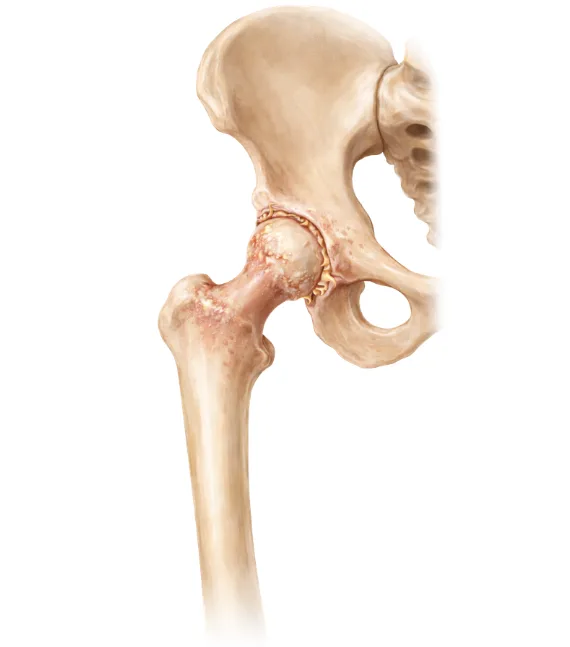
Coxarthrosis (hip osteoarthritis) — degenerative damage of articular cartilage and underlying bone, leading to progressive pain, limited mobility, and significant decline in quality of life.
Inflammatory and rheumatoid arthritis, as well as post-traumatic changes associated with destruction of joint surfaces and instability.
Severe consequences of trauma, including fractures in the hip region when reconstructive procedures do not provide satisfactory functional results.
Avascular necrosis of the femoral head — a condition related to impaired blood supply and gradual destruction of bone structure with subsequent joint deformity.
Hip dysplasia and its long-term consequences, leading to altered biomechanics, overload of joint surfaces, and premature wear.
The final decision regarding the necessity of surgery is made after an in-person consultation and detailed examination. The patient’s overall condition, level of physical activity, comorbidities, and individual anatomical features are taken into account.
Stages of treatment
Online consultation
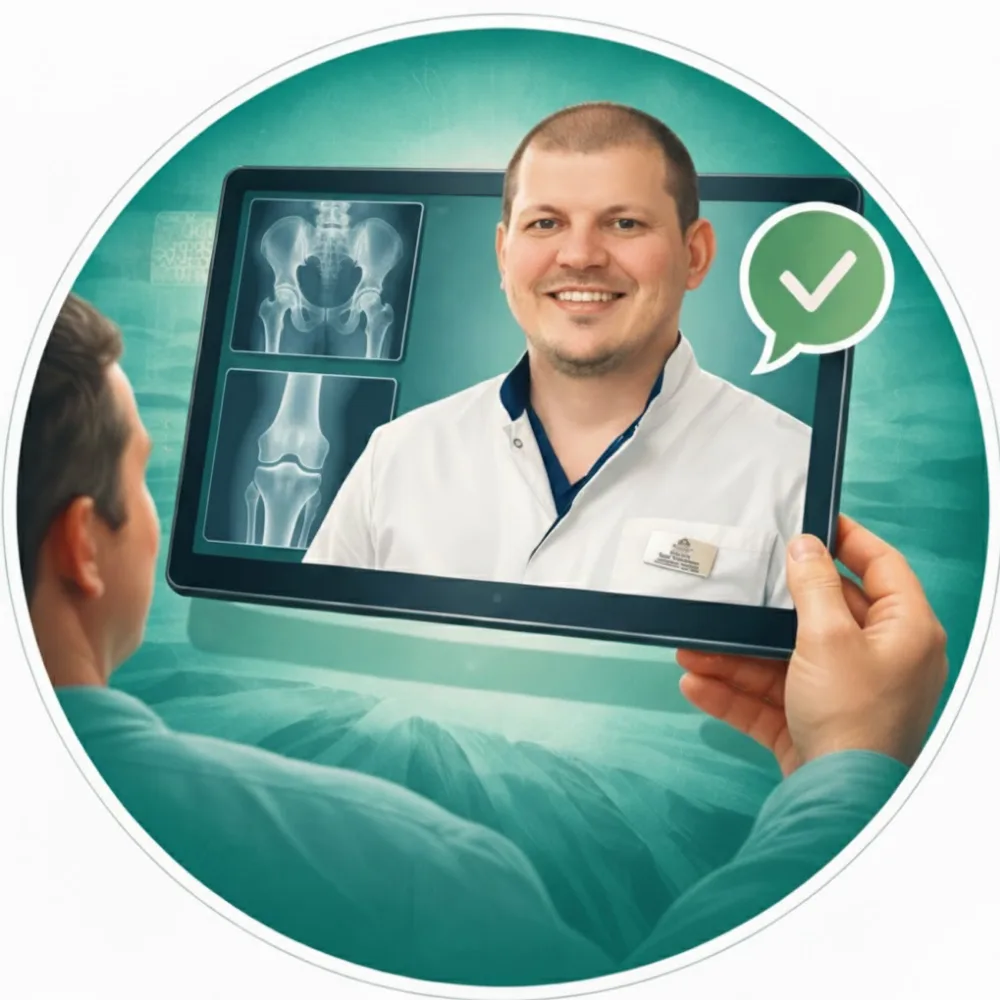
An online consultation allows you to discuss your condition, complaints, and symptoms in advance. You can submit imaging studies and medical documents, ask questions, and receive a preliminary treatment plan before visiting the clinic.
Examination and 3D surgical planning
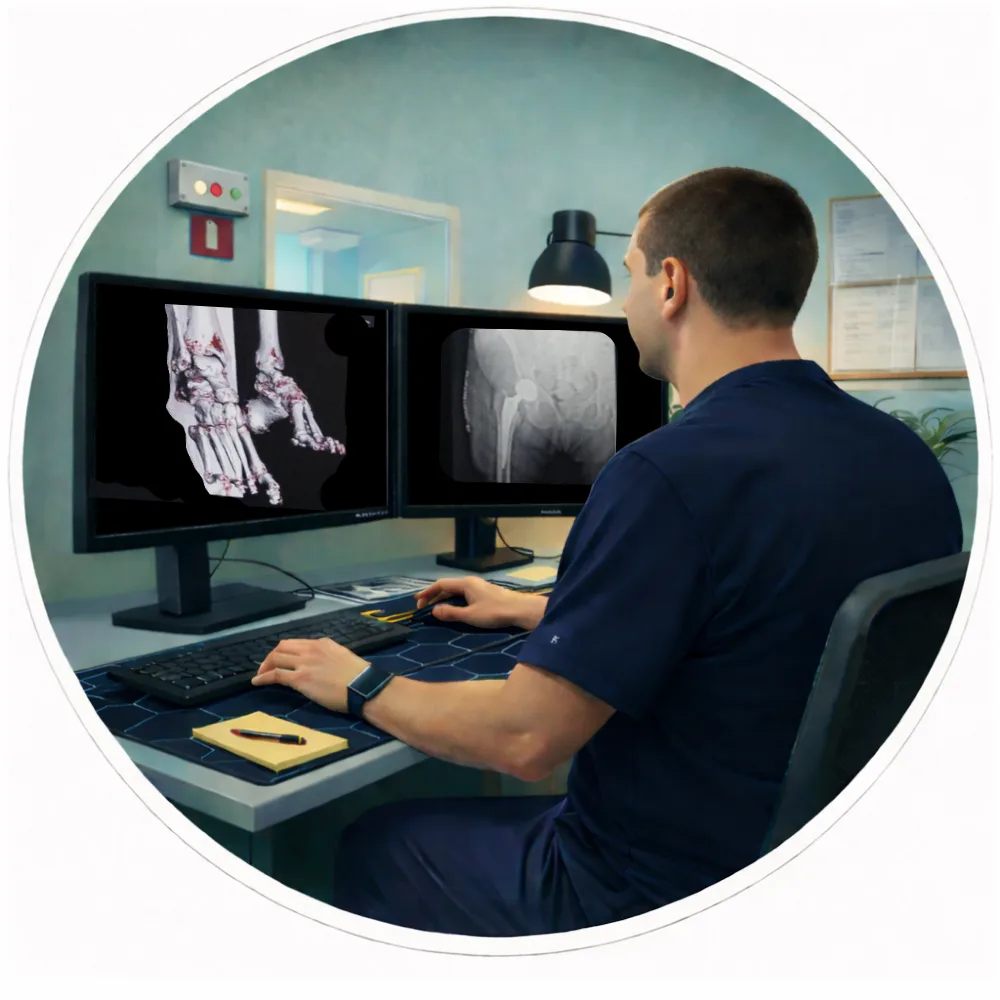
All necessary examinations are performed within one day. A CT scan of the joint is conducted, followed by computer-based 3D surgical planning and implant selection to ensure maximum precision.

Surgery
On the second day of the clinic stay, the surgical procedure is performed. Original implants by Stryker Corporation (USA) and the MAKO robotic-assisted system are used, ensuring a high level of precision in implant positioning.

Rehabilitation and follow-up
Recovery begins immediately after surgery. In most cases, you will be able to start walking on the day of the procedure. After discharge, we continue to provide online follow-up care, including recovery guidance, rehabilitation monitoring, and answers to any questions that may arise.
Choose the Type of Surgery
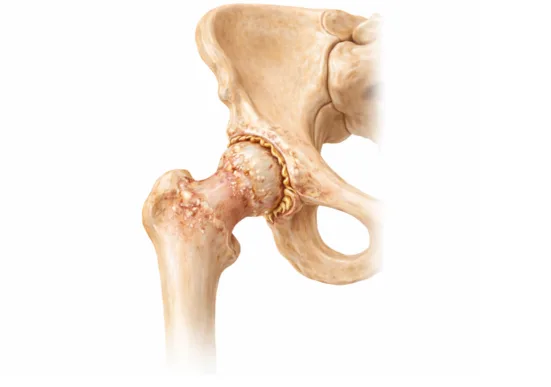
Minimally Invasive Joint Replacement (Anterior Approach)
A modern method of hip replacement performed through natural anatomical intervals without cutting muscles, allowing for faster recovery after surgery.
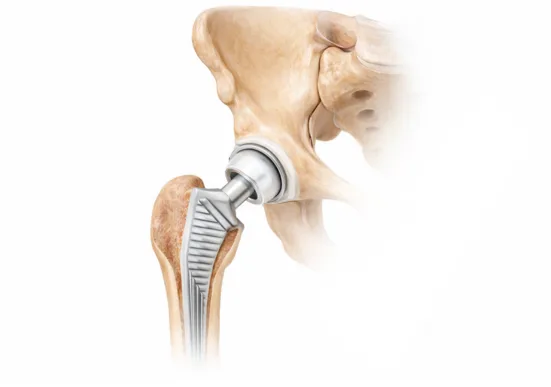
Revision joint replacement surgery
A repeat surgical procedure to replace or correct a previously implanted prosthesis in cases of wear, instability, or complications. It requires high precision, extensive surgical experience, and individualized planning.
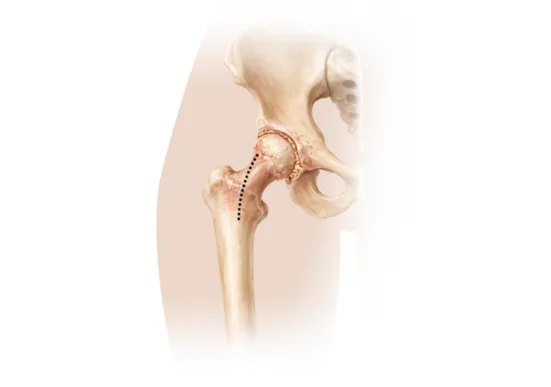
Minimally invasive anterolateral intermuscular Röttinger approach
An anatomically oriented technique for implant placement through the anterolateral intermuscular interval. Preserves muscle balance and joint control, reduces postoperative pain, and enables early patient mobilization from the first days after surgery.
The surgery is performed personally by Zaur Sulumov
The doctor is personally involved in every stage of treatment — from the initial consultation and surgical planning to recovery monitoring and outcome evaluation.
Start Treatment
FAQ
On average, hip replacement surgery lasts between 60 and 120 minutes. The exact duration depends on the patient’s anatomical features, the degree of joint damage, and the chosen surgical technique.
In most cases, patients begin standing and taking their first steps within 1–2 days after surgery under the supervision of a doctor and a rehabilitation specialist.
Modern anesthesia and postoperative pain management methods allow effective control of pain. As recovery progresses, the intensity of pain gradually decreases.
Modern hip implants are designed to last on average 15–20 years or more. Their lifespan depends on physical activity level, body weight, comorbidities, and adherence to medical recommendations.
Rehabilitation includes early mobilization, therapeutic exercises, and gradual increase of load. The main goal is to restore mobility, muscle strength, and safe walking patterns.
After hip replacement, it is important to follow recommendations regarding physical load, movements, and lifestyle, especially during the first months. This reduces the risk of complications and supports long-term results.
At early stages of the disease, conservative treatment may be effective, including medication, injections, physiotherapy, and load reduction. However, in cases of significant joint destruction, these methods usually provide only temporary relief, and hip replacement becomes the most effective way to eliminate pain and restore function.