






Robotic Joint Replacement Center
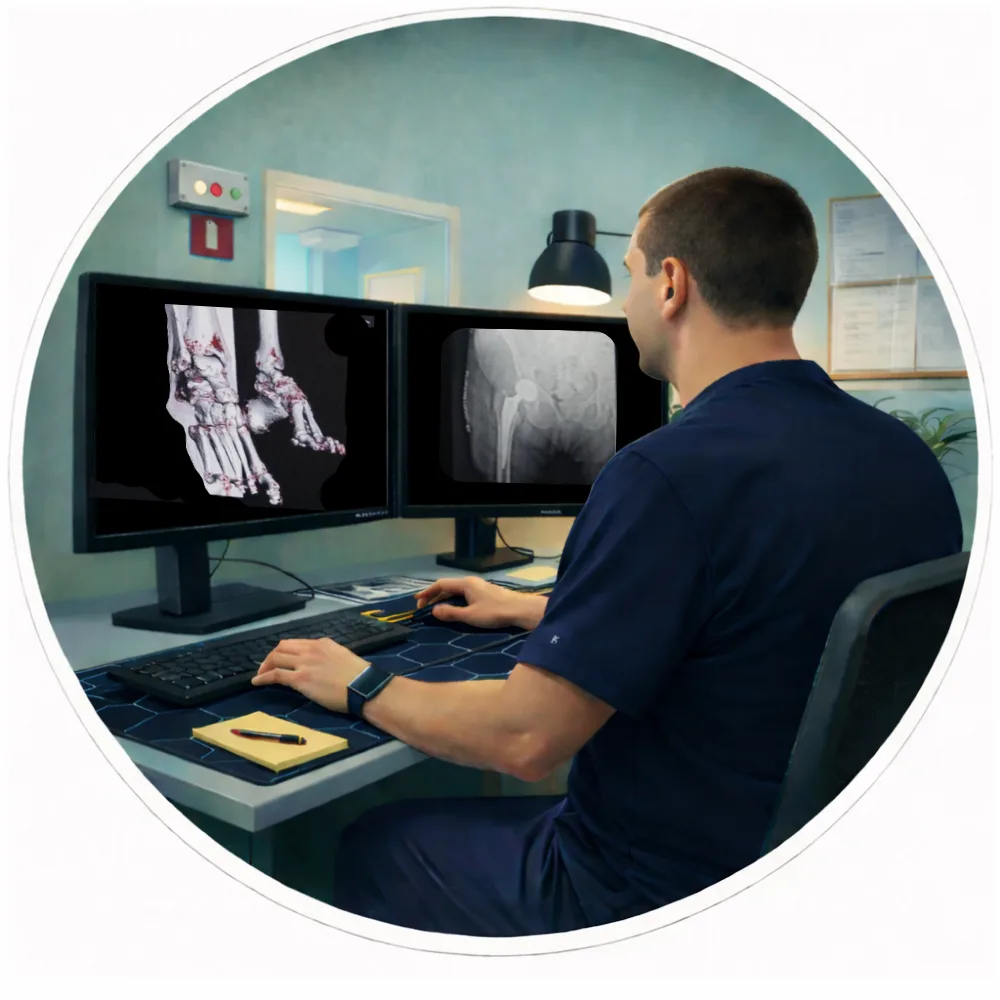
Robotic joint replacement with MAKO
MOSCOW ROBOTIC JOINT REPLACEMENT

ROBOTIC
JOINT
REPLACEMENT

MAKO + INTERMUSCULAR APPROACH
Precision of the MAKO robotic system
combined with an intermuscular joint approach
for faster recovery.
Rottinger approach for the hip.
Subvastus approach for the knee.
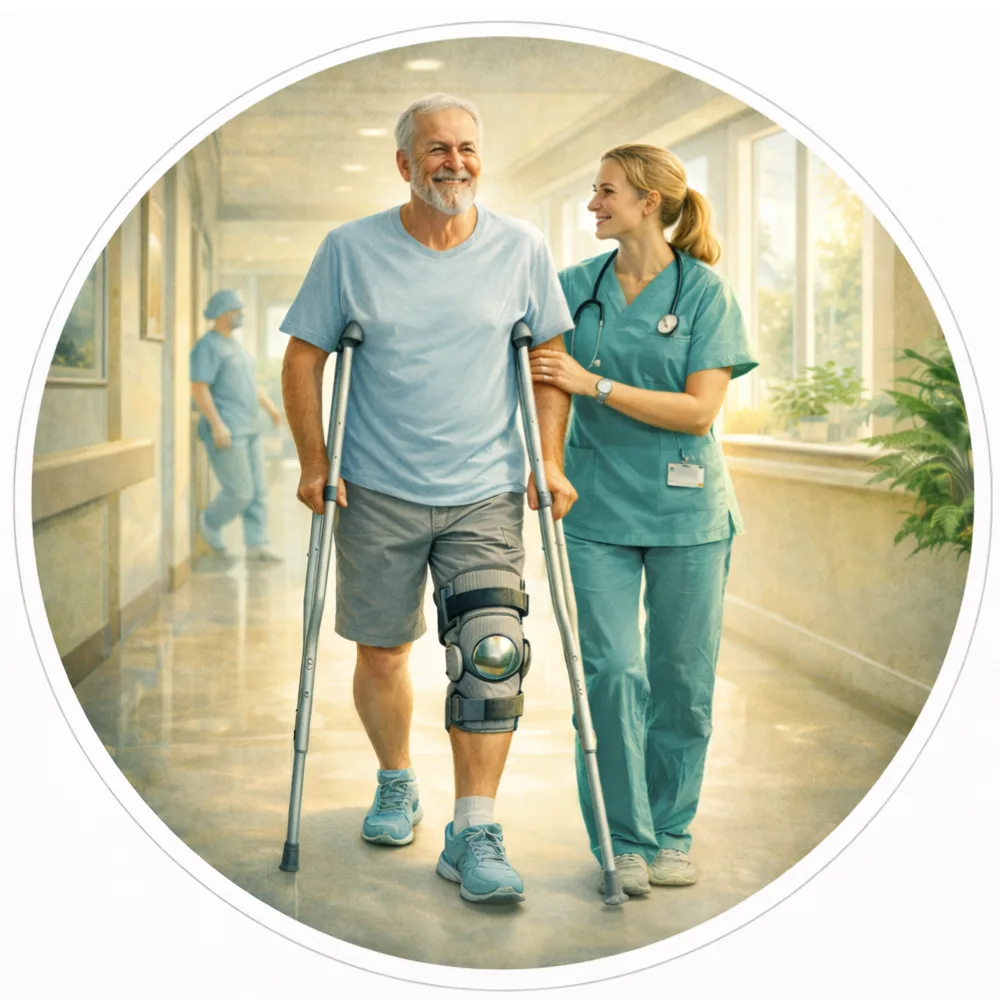
ON YOUR FEET
THE DAY OF SURGERY
Early mobilization
and a quick return to daily life
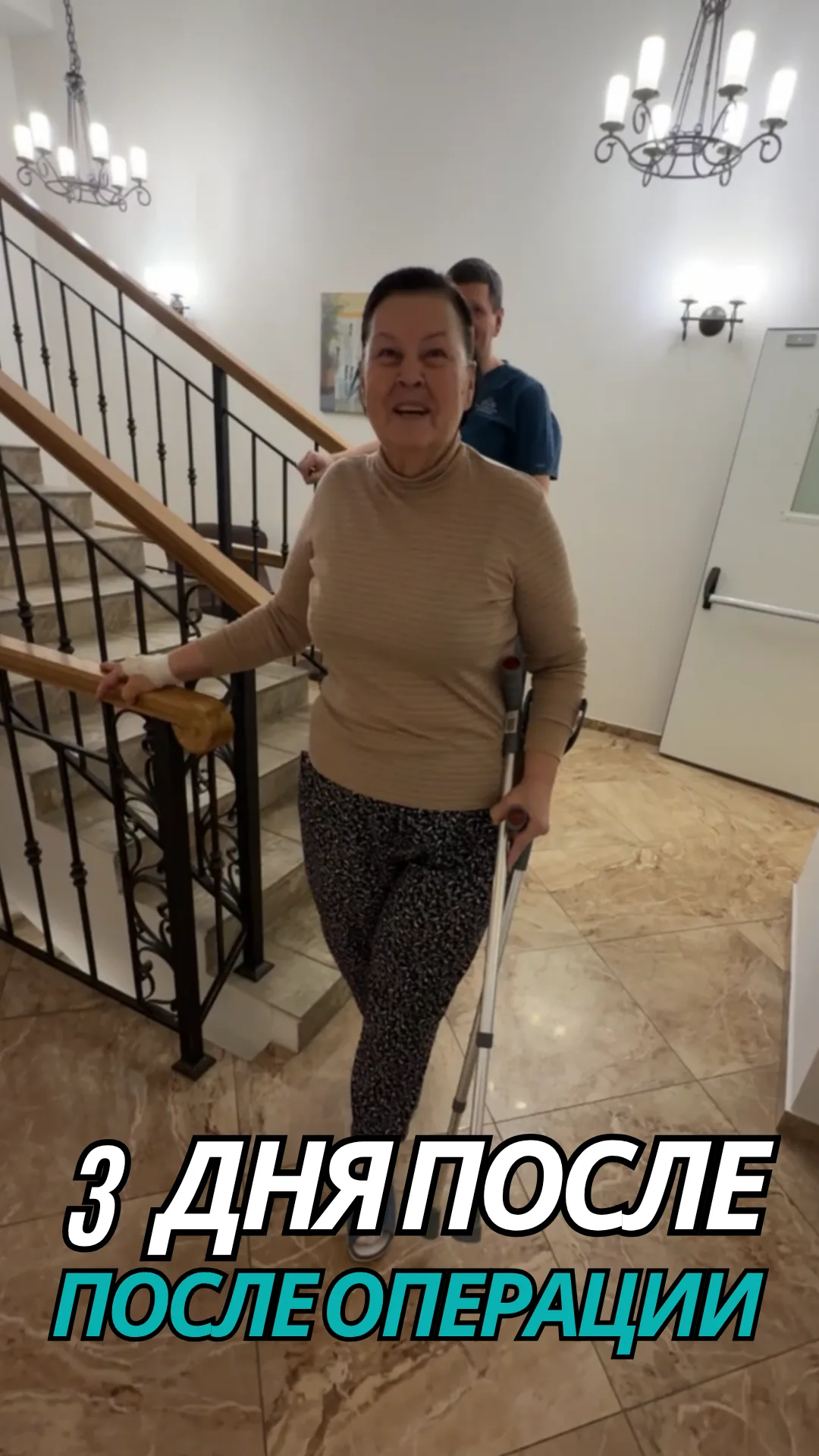
DISCHARGE
ON DAY 3
Fast recovery
and returning home

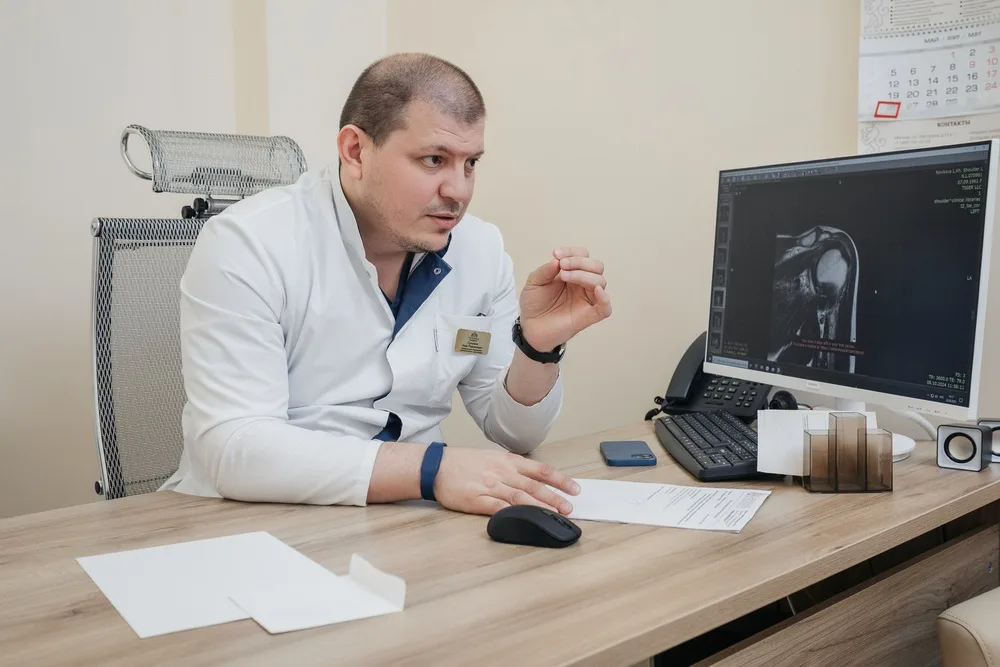
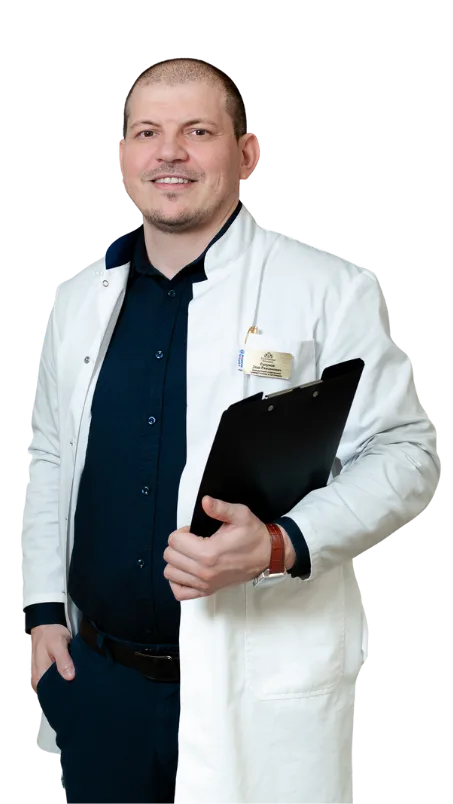
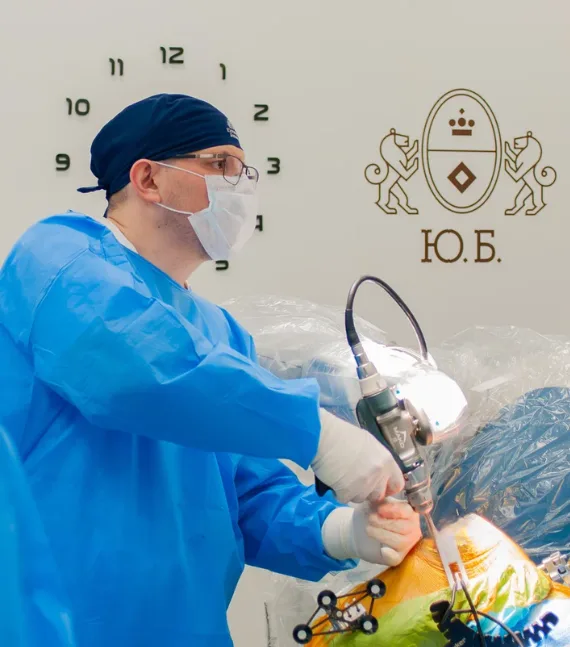
ZAUR SULUMOV

  • Doctor of the highest qualification category
  • Head of the Robotic Joint Replacement Unit
  • The first specialist to serially introduce robotic joint replacement and the Rottinger approach in Russia.
MAKO ROBOT Precise planning
and ideal implant positioning
ROTTINGER APPROACH Intermuscular approach
without cutting muscles
7000+ SURGERIES 15+ years
of surgical practice
7+ COUNTRIES International recognition
and patient trust

WHY CHOOSE US?

At the Robotic Joint Replacement Center, treatment is organized as a single, continuous process — from the initial consultation and surgical planning to recovery and return to an active life.

Proven clinical experience in orthopedic surgery

Proven clinical experience in orthopedic surgery

Expert in joint replacement surgery with extensive hands-on clinical experience since 2011.

International clinical experience

International clinical experience

Training and hands-on clinical practice at leading medical centers across Europe and beyond.

WHY CHOOSE US?
Thousands of satisfied patients

Thousands of satisfied patients

Over 15 years of clinical practice with thousands of patients treated and consistent outcomes.

Co-founder of RoboOrthoClub

Co-founder of RoboOrthoClub

Co-founder of a professional medical community focused on advancing robot-assisted surgery.

In joint replacement surgery

Since 2011

In joint replacement surgery

In clinical practice

MAKO Stryker

In clinical practice

3D surgical planning

Personalized

3D surgical planning

Online patient follow-up

After discharge

Online patient follow-up

MAKO Stryker — precision you can trust

MAKO Stryker
— precision you can trust

The MAKO Stryker robot-assisted system is a modern standard in large joint replacement surgery, combining high-precision computer-based planning with real-time control at every stage of the procedure.

During surgery, the robotic assistant helps the surgeon strictly follow the planned boundaries, reducing the risk of deviation and improving the accuracy of implant placement. This approach ensures predictable outcomes, minimizes soft tissue trauma, and supports faster patient recovery after surgery.

The use of the MAKO system is especially important in cases where maximum precision, implant longevity, and high functional outcomes are required.

Maximum accuracy of implant placement
Faster recovery and less pain
Minimal soft tissue damage
Longer implant lifespan
Read more

The first step toward treatment is an honest conversation with your doctor

During the consultation, we will review your situation, answer your questions, and discuss possible treatment options — without rush and without unrealistic promises.

Submit a request
Appointment
Clinical experience

Clinical experience

15+ years

Joint replacement surgeries

Joint replacement surgeries

350+ per year

Successful patient outcomes

Successful patient outcomes

7,000+ patients

International clinical practice

International clinical practice

7 countries

Our Team

Doctors, assistants, and specialists of the Center involved at every stage of treatment.

Vigen Balayan

Vigen Balayan

Orthopedic Trauma Surgeon
Eldar Mustafayev

Eldar Mustafayev

Orthopedic Trauma Surgeon
Elena Grishchenko

Elena Grishchenko

Orthopedic Trauma Surgeon
Alexander Dropin

Alexander Dropin

Anesthesiologist–Intensivist
Sofia Zhuravleva

Sofia Zhuravleva

MAKO Stryker Robotic System Operator
Eldar Khisamutdinov

Eldar Khisamutdinov

Physical Therapy Instructor
Svetlana Rybalko

Svetlana Rybalko

Paid services organizer
Varvara Bogdanova

Varvara Bogdanova

Clinic Assistant

Stages of treatment

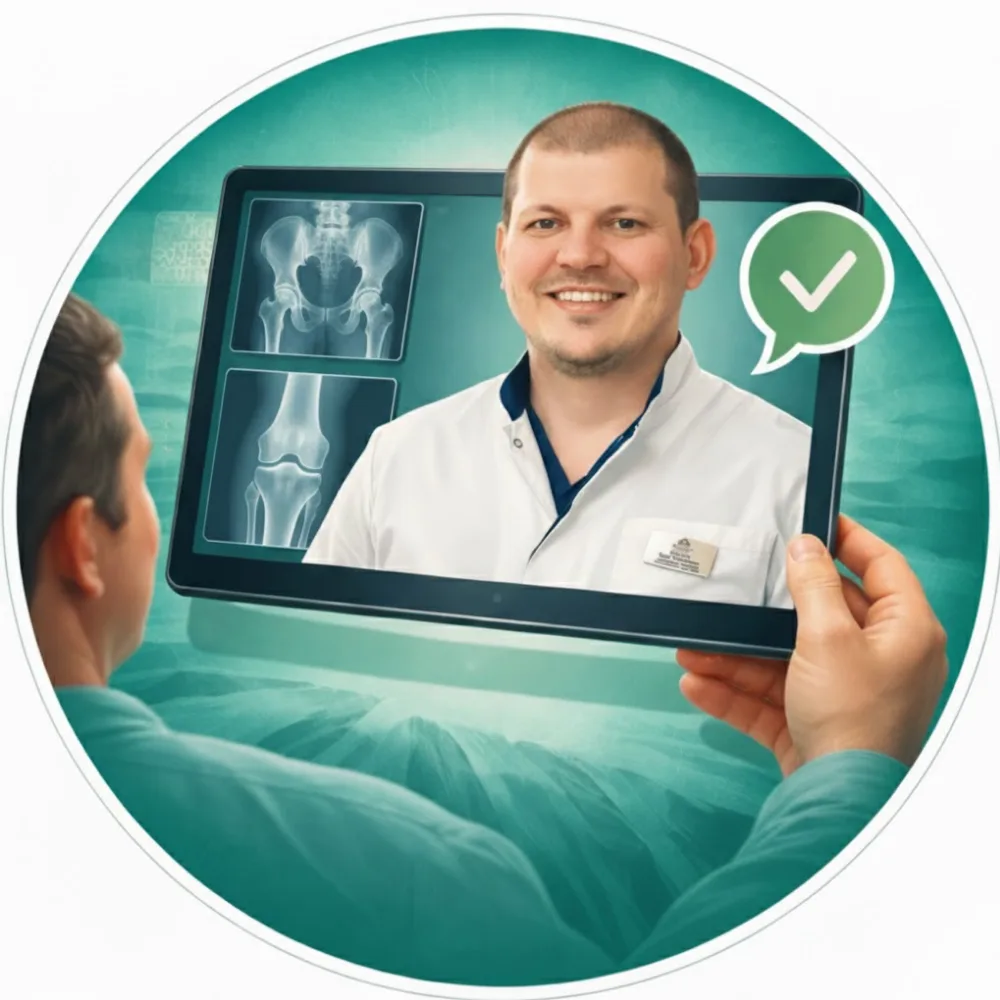
Online consultation
01

Online consultation

An online consultation allows you to discuss your condition, complaints, and symptoms in advance. You can submit imaging studies and medical documents, ask questions, and receive a preliminary treatment plan before visiting the clinic.

Examination and 3D surgical planning
02

Examination and 3D surgical planning

All necessary examinations are performed within one day. A CT scan of the joint is conducted, followed by computer-based 3D surgical planning and implant selection to ensure maximum precision.

Surgery
03

Surgery

On the second day of the clinic stay, the surgical procedure is performed. Original implants by Stryker Corporation (USA) and the MAKO robotic-assisted system are used, ensuring a high level of precision in implant positioning.

Rehabilitation and follow-up
04

Rehabilitation and follow-up

Recovery begins immediately after surgery. In most cases, you will be able to start walking on the day of the procedure. After discharge, we continue to provide online follow-up care, including recovery guidance, rehabilitation monitoring, and answers to any questions that may arise.

Video testimonials

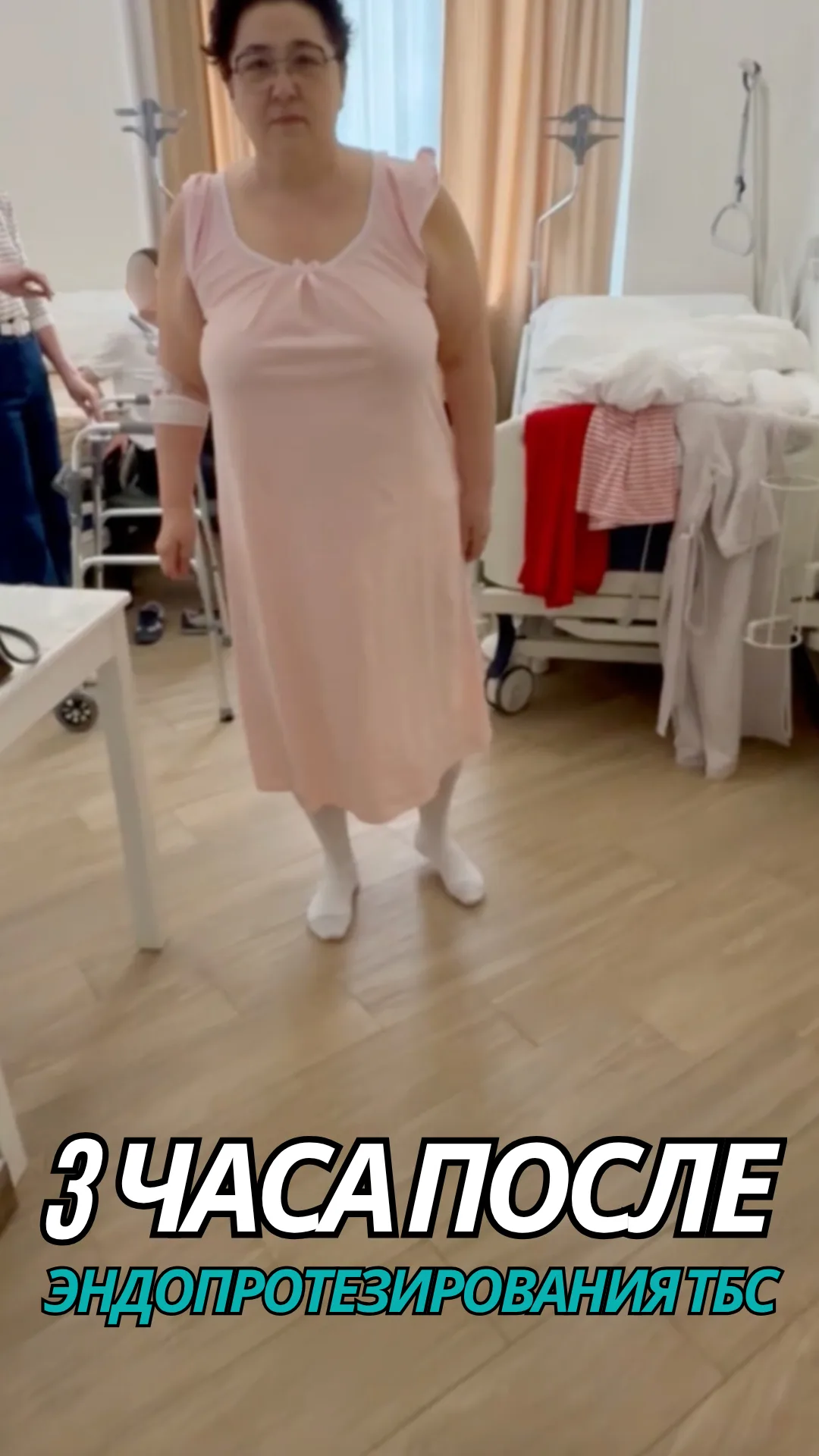
Watch video First steps just three hours after surgery

First steps just three hours after surgery

In this video, a patient takes her first independent steps three hours after robot-assisted hip replacement using MAKO and the Röttinger approach. The operation was planned around her individual anatomy.
Watch video
Watch video Early mobilisation after hip replacement

Early mobilisation after hip replacement

After left hip replacement using the Röttinger approach, this patient walks with crutches and gradually returns to active walking. Rehabilitation continues under specialist supervision.

Watch video
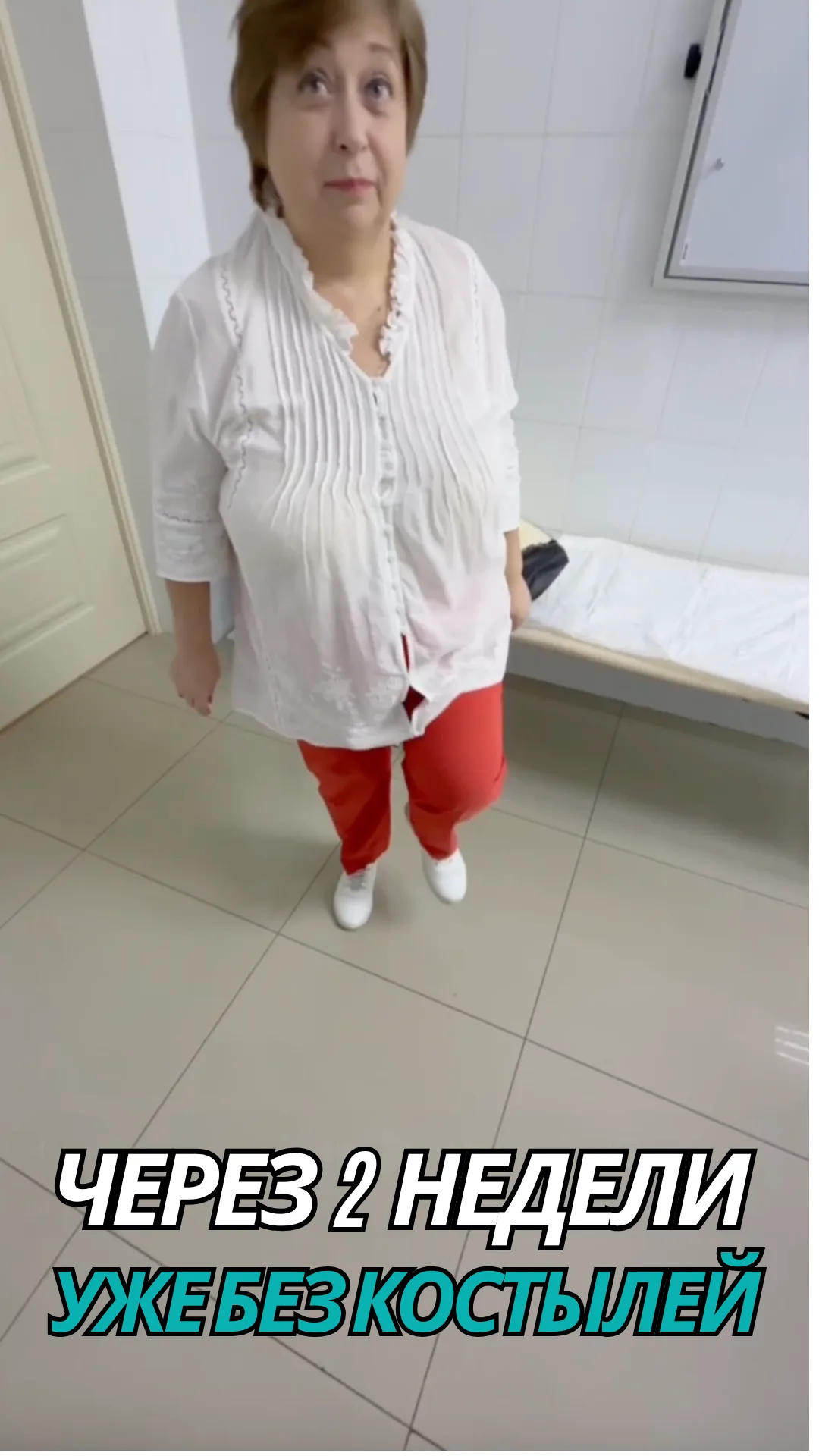
Watch video Walking without crutches after two weeks

Walking without crutches after two weeks

This video shows recovery after MAKO-assisted knee replacement using the subvastus approach, which preserves the quadriceps tendon. Recovery times vary from patient to patient.

Watch video

Patient trust is the best measure of our work

FAQ

FAQ

Joint replacement is recommended when pain becomes constant, mobility is significantly limited, and conservative treatment (medications, injections, physiotherapy) no longer provides relief. Most often, this occurs in cases of advanced osteoarthritis, post-traumatic joint damage, or severe joint destruction. More detailed information about indications for joint replacement is available in my article.

Read more: When is joint replacement indicated?

Before surgery, a comprehensive evaluation is performed, including blood tests, ECG, consultations with specialists, and joint imaging. This allows the procedure to be planned safely and the optimal treatment strategy to be selected. In most cases, all necessary examinations can be completed within one day.

See the preoperative test checklist

After surgery, moderate pain is possible and represents a normal response of the body. Pain is effectively controlled with modern pain management protocols, so most patients report significantly less discomfort than they expected. I explain in detail how pain is managed and what to expect during the first days after surgery in my article.

Read more: Is there pain after surgery and how is it managed?

Recovery begins immediately after surgery. Within the first day, patients begin standing and walking with assistance. Rehabilitation follows my individualized program, focusing on exercises, muscle strengthening, and gradual increases in activity under professional supervision. More details about the early stages of recovery and rehabilitation programs are available in my recovery program section.

Postoperative rehabilitation and recovery programs

Walking with support is usually permitted within the first days after surgery. Most patients return to everyday activities within 4–6 weeks. Recovery timelines depend on the type of surgery, overall health, and adherence to rehabilitation recommendations.

Read more: Can You Return to a Normal Life After Joint Replacement

It is important to be honest: joint implants are not permanent. Although more optimistic figures are sometimes mentioned, the realistic average lifespan of modern joint implants is approximately 15–20 years. Longevity depends on factors such as joint load, body weight, activity level, accuracy of implant placement, and adherence to postoperative recommendations. Some implants last longer, others less — this is a normal part of clinical practice. More detailed information about implant lifespan, wear factors, and ways to extend implant longevity is available in my article.

Read more: How Long Does a Joint Implant Last and What Does It Depend On

Arthroplasty from $10000