

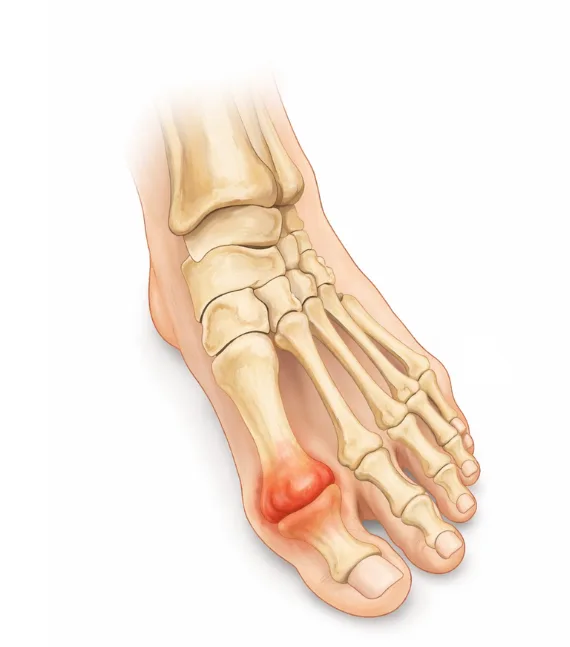
Correction of forefoot deformities and pain while walking
Deformities of the forefoot, including hallux valgus and toe malalignment, gradually lead not only to aesthetic concerns but also to significant functional impairment. Pain while walking, difficulty choosing footwear, rapid fatigue, and inflammation in the metatarsophalangeal joints can limit daily activity and reduce quality of life.
The forefoot plays a key role in the push-off phase of gait. When the big toe deviates, load distribution changes, or the shape of the metatarsal bones is altered, weight-bearing becomes uneven, increasing pressure on specific areas of the foot. This may result in chronic pain, callus formation, soft tissue inflammation, and progression of the deformity even when the initial problem appears relatively minor.
Surgical correction of forefoot deformities is aimed at restoring proper bone and joint alignment, relieving pain, and returning physiological foot function. We individualize the treatment strategy based on the degree of deformity, joint condition, and the patient’s lifestyle. This approach allows not only correction of foot shape but also restoration of comfortable walking and achievement of a stable, long-term result without unnecessary intervention.
How forefoot deformities disrupt weight-bearing and load distribution
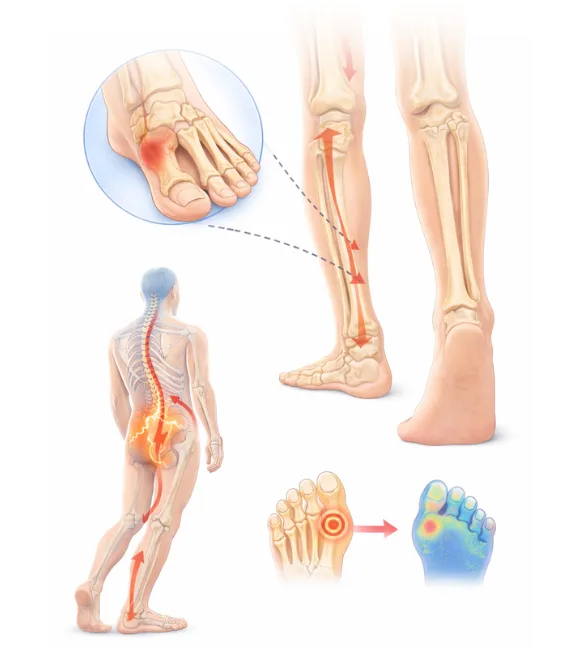
The forefoot is responsible for stability and effective push-off during each step. In deformities such as hallux valgus or toe misalignment, load is no longer distributed evenly and becomes concentrated on specific metatarsal bones. As a result, pressure on joints and soft tissues increases, leading to pain, inflammation, and reduced endurance while walking.
Altered biomechanics of the forefoot affect the function of the entire lower limb. Impaired weight-bearing forces the body to compensate by changing gait patterns, which can increase stress on the ankle joint, knees, and even the lumbar spine. Over time, these compensatory mechanisms may cause secondary problems that are not always directly associated with the foot itself.
We evaluate not only the severity of the deformity but also its impact on load distribution during movement. Gait analysis and assessment of bone and joint alignment help identify overloaded structures and determine which changes require correction. This approach addresses the root cause of pain and restores stable foot support rather than providing only temporary symptom relief.
Restoration of foot shape and toe function after correction
After surgical correction of forefoot deformities, the primary goal of treatment is to restore полноценous weight-bearing and natural toe function during walking. Proper alignment of the bones and joints helps reduce painful load, eliminate discomfort in the metatarsophalangeal region, and restore gait stability.
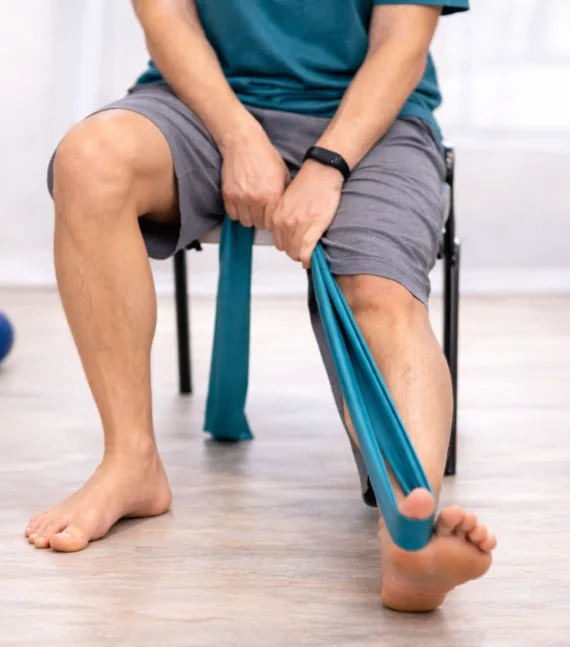
During recovery, it is important not only for the bones to heal but also for the soft tissues to adapt to the altered foot biomechanics. Gradual increase of load and structured rehabilitation help establish proper movement patterns and prevent recurrent displacement. This approach is especially important for patients who previously experienced pain during prolonged walking or standing.
We support the patient throughout all stages of recovery, assessing weight-bearing dynamics, toe alignment, and comfort during movement. The goal of treatment is not merely to correct the shape of the foot, but to achieve a stable functional outcome that allows free walking, comfortable shoe selection, and return to normal activities without persistent discomfort.
Stages of treatment
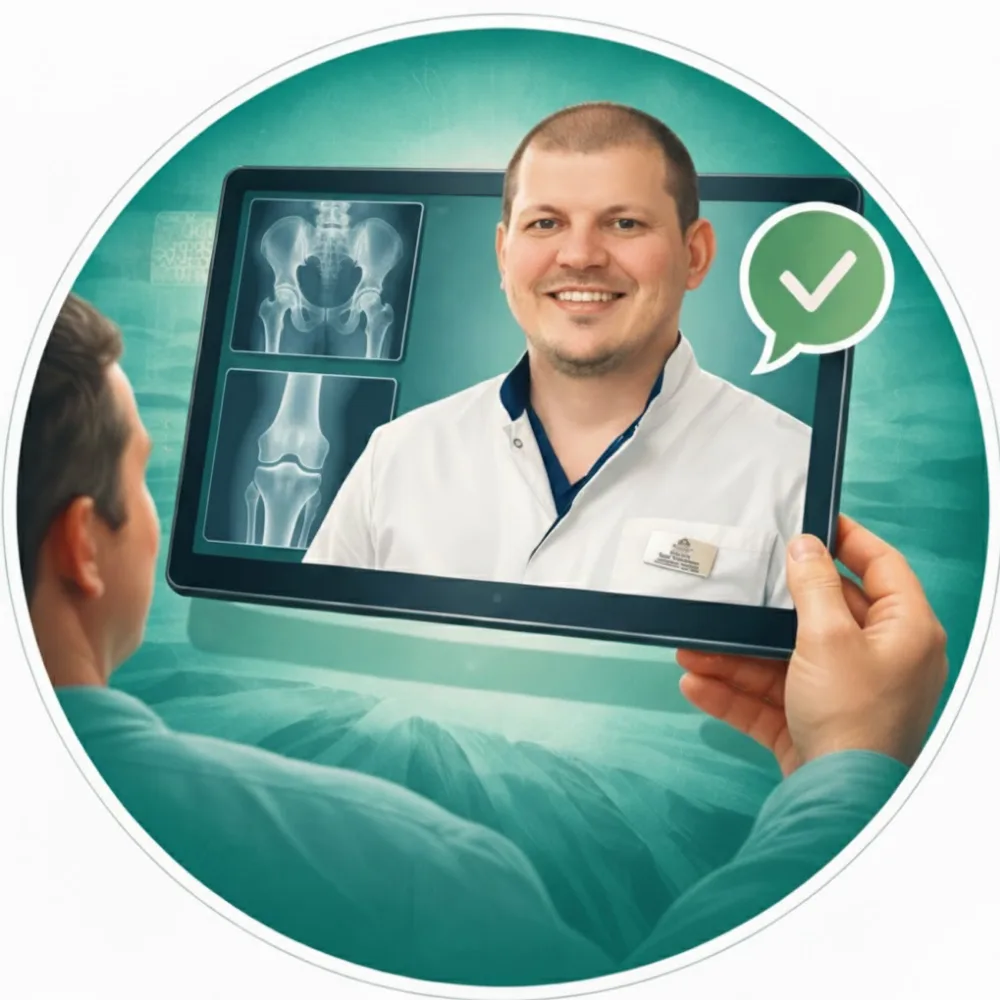
Online consultation
An online consultation allows you to discuss your condition, complaints, and symptoms in advance. You can submit imaging studies and medical documents, ask questions, and receive a preliminary treatment plan before visiting the clinic.
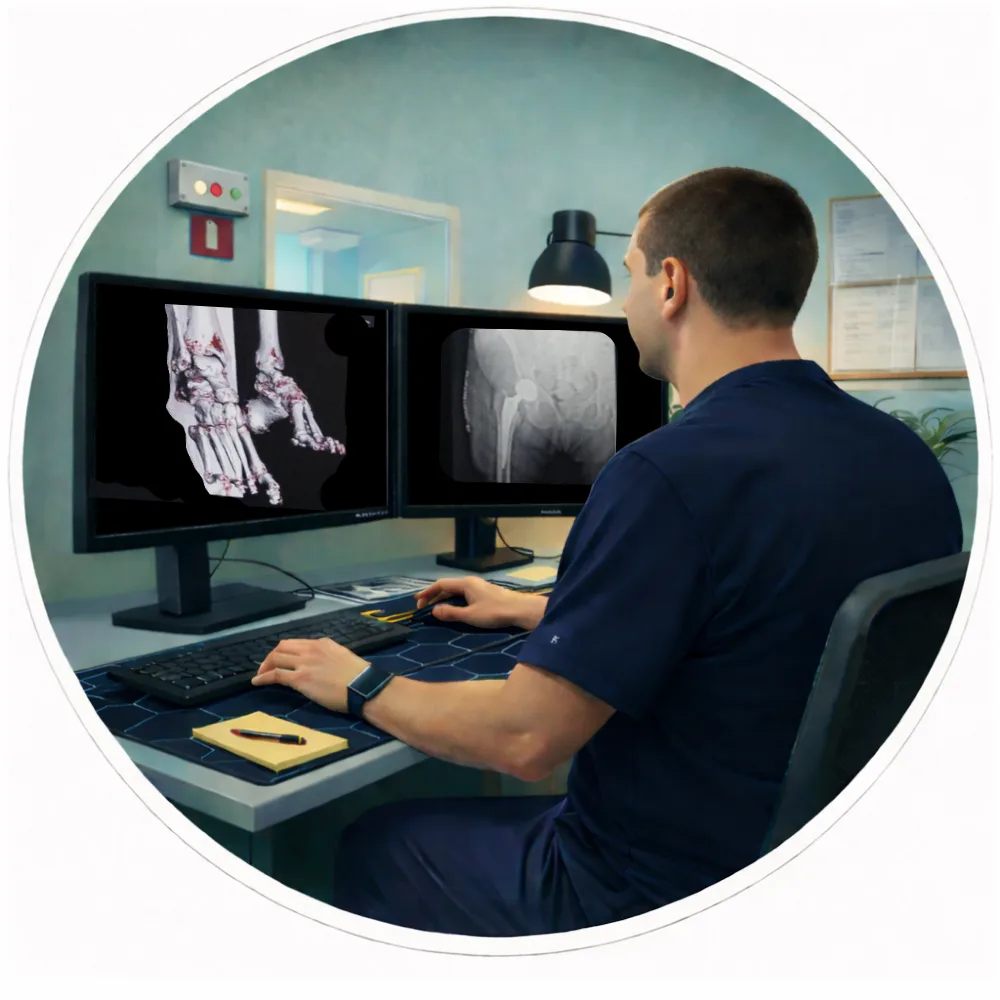
Examination and 3D surgical planning
All necessary examinations are performed within one day. A CT scan of the joint is conducted, followed by computer-based 3D surgical planning and implant selection to ensure maximum precision.

Surgery
On the second day of the clinic stay, the surgical procedure is performed. Original implants by Stryker Corporation (USA) and the MAKO robotic-assisted system are used, ensuring a high level of precision in implant positioning.
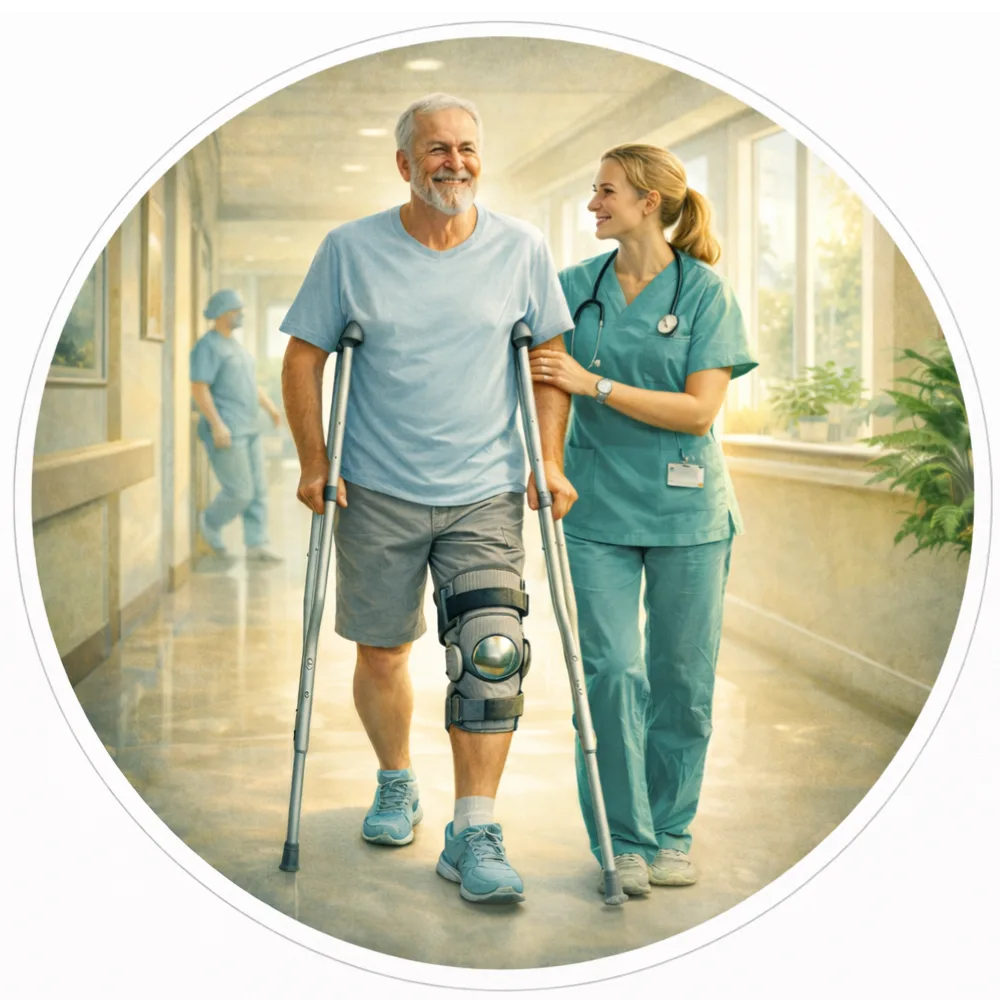
Rehabilitation and follow-up
Recovery begins immediately after surgery. In most cases, you will be able to start walking on the day of the procedure. After discharge, we continue to provide online follow-up care, including recovery guidance, rehabilitation monitoring, and answers to any questions that may arise.
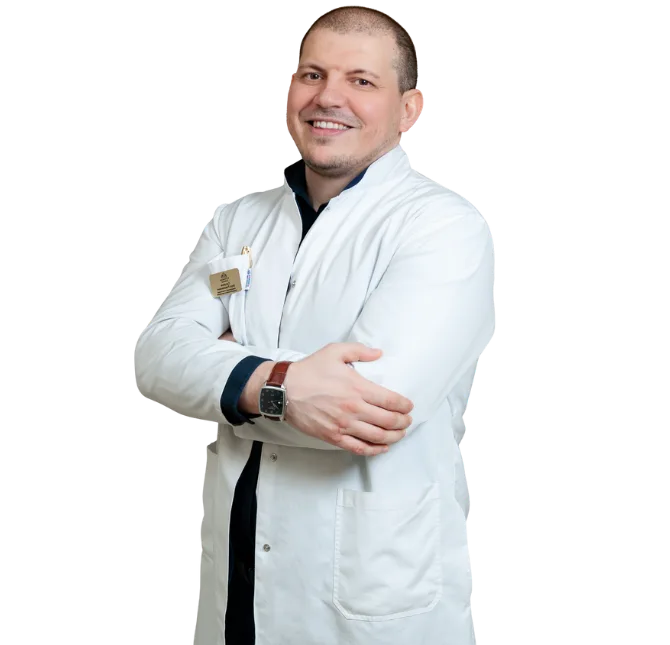
The surgery is performed personally by Zaur Sulumov
The doctor is personally involved in every stage of treatment — from the initial consultation and surgical planning to recovery monitoring and outcome evaluation.
Start Treatment
FAQ
Indications:
Constant pain
Inflammation in the "bunion" area
Toe deformity
Inability to fit shoes properly
Progressive misalignment
The surgery is performed not based on the “X-ray angle,” but according to the presence of symptoms.
The choice depends on the severity of the deformity:
Osteotomy of the metatarsal bones
Soft tissue correction
Screw fixation
Arthrodesis (for severe cases)
The method is selected individually.
A cast is usually not required.
Instead, the following is used:
Special postoperative shoe (Baruka)
Fixation for 4–6 weeks
Full heel weight-bearing is allowed immediately.
You can put weight on the foot immediately — in the special shoe.
Full normal weight-bearing is allowed after 4–6 weeks.
Stitch removal — 10–14 days
Swelling may persist up to 3 months
Return to sports — 2–3 months
If the surgical technique is followed and recommendations are followed, the risk is minimal, but it cannot be completely excluded.