

What is radiofrequency denervation of joints?
A modern minimally invasive method for reducing chronic joint pain.
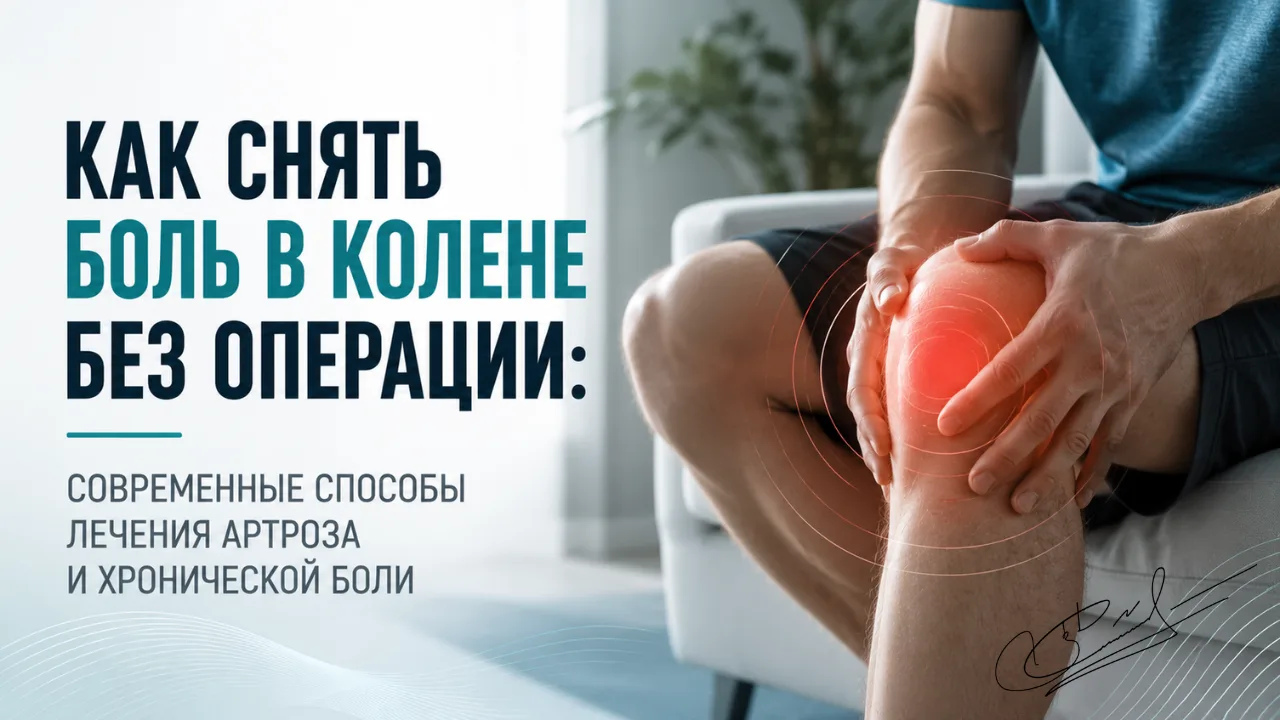
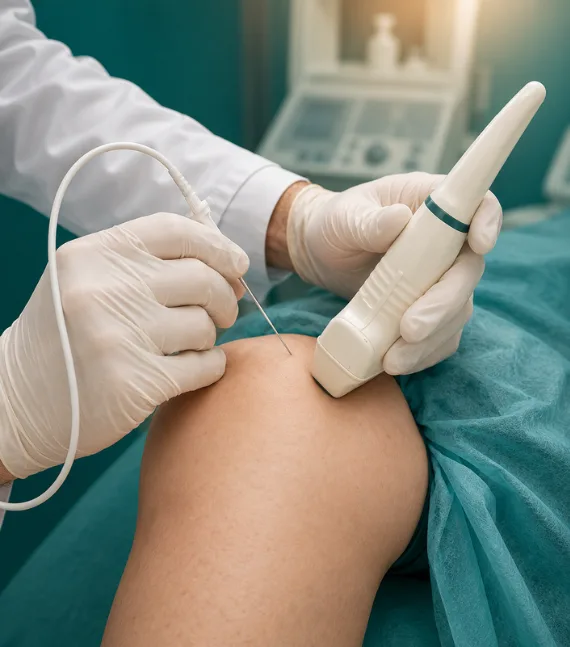
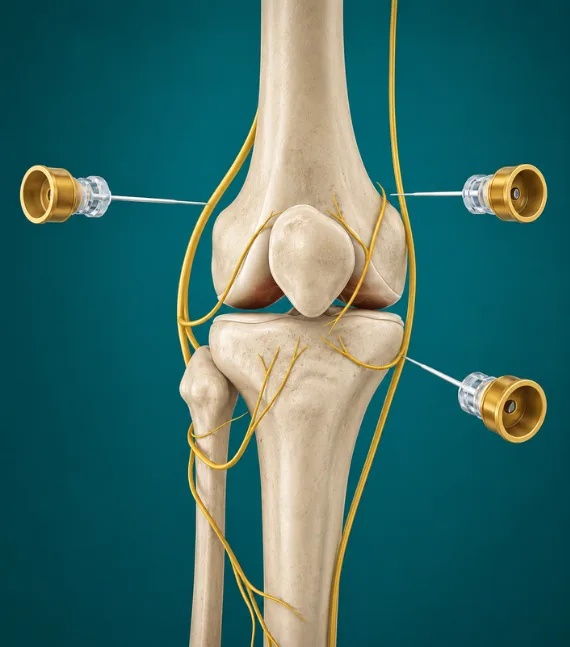
Radiofrequency denervation (RFA) is a modern minimally invasive procedure that can help reduce chronic joint pain without large incisions or a long hospital stay. During the procedure, the physician targets the small sensory nerve branches that transmit pain signals while leaving the joint, muscles and ligaments intact.
The method can be used for chronic pain in the knee, hip or shoulder when medication, physical therapy or intra-articular injections no longer provide sufficient relief. The goal is to reduce pain, preserve everyday mobility and improve quality of life.
RFA is performed through small skin punctures under local anesthesia and usually does not require hospitalization. After a consultation and review of your imaging and examination results, the physician determines whether this treatment is appropriate in your case.
When can radiofrequency denervation help?
RFA may be recommended for patients with chronic pain caused by osteoarthritis of the knee, hip or shoulder when medication, physical therapy and intra-articular injections no longer provide adequate relief. The procedure can reduce pain, improve quality of life and help patients return to normal daily activity.
Radiofrequency denervation may also be considered when joint replacement is temporarily contraindicated, needs to be postponed or the patient is not yet ready for surgery. In selected cases, RFA can significantly reduce pain and preserve comfortable mobility until surgery becomes necessary.
Before the procedure, the physician conducts a consultation, reviews the examination results and determines whether this method is suitable for the specific clinical situation. This makes it possible to choose the most effective and safe treatment strategy for each patient.
Radiofrequency denervation does not replace treatment of the underlying disease, but it can become an effective stage of comprehensive care, helping reduce pain, improve quality of life and preserve activity before or instead of surgery when the indications are appropriate.

Benefits of radiofrequency denervation
Radiofrequency denervation can reduce chronic pain without major surgery or a long hospital stay. The procedure is performed through small skin punctures, is usually well tolerated and does not require prolonged recovery.
Benefits of the method:
- minimally invasive procedure without large incisions;
- performed under local anesthesia;
- fast return to normal activity;
- effective reduction of chronic pain;
- preservation of joint mobility;
- possibility to postpone joint replacement when appropriate;
- can be repeated if necessary;
- performed on an outpatient basis without long hospitalization;
- individual treatment selection after a physician consultation;
- improvement in quality of life and everyday activity.
The choice of treatment is always individual. After consultation, examination and review of test results, the physician will determine whether radiofrequency denervation is appropriate in your case and whether it can provide the expected result.
Stages of treatment
01
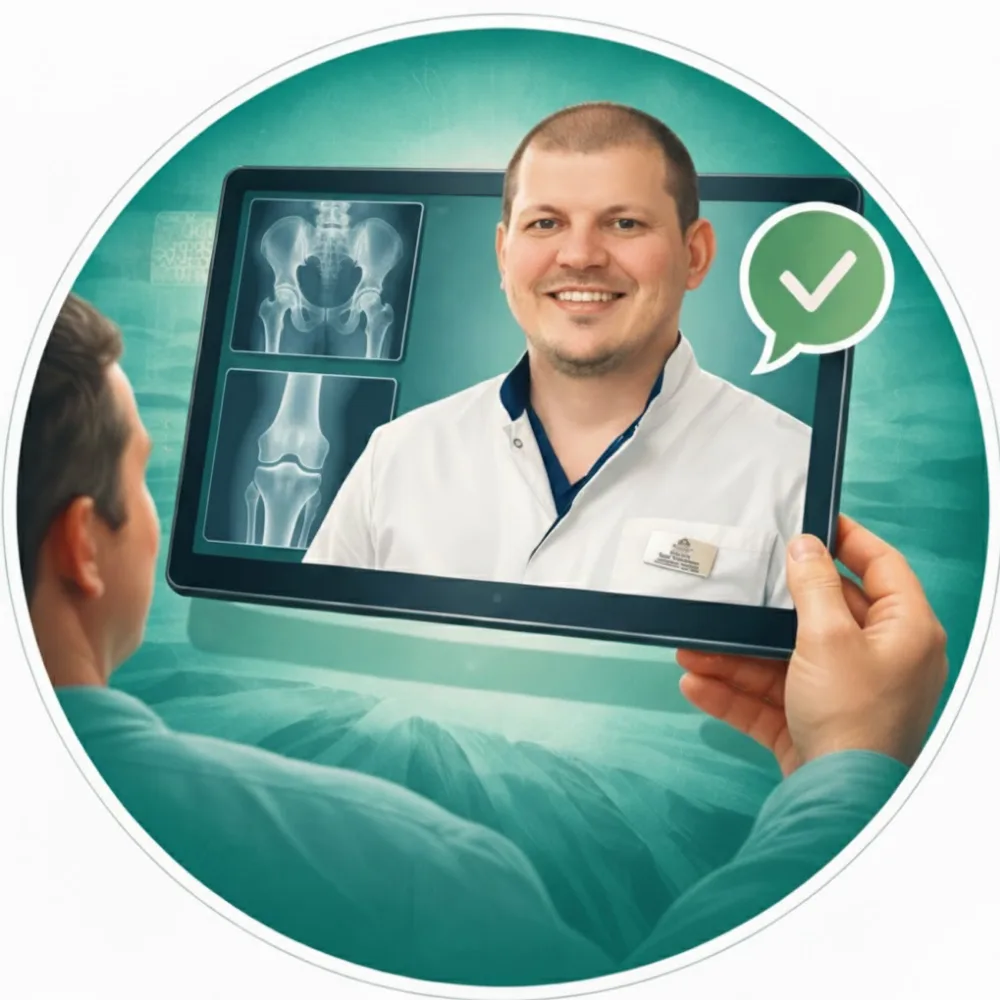
Online consultation
An online consultation allows you to discuss your condition, complaints, and symptoms in advance. You can submit imaging studies and medical documents, ask questions, and receive a preliminary treatment plan before visiting the clinic.
02
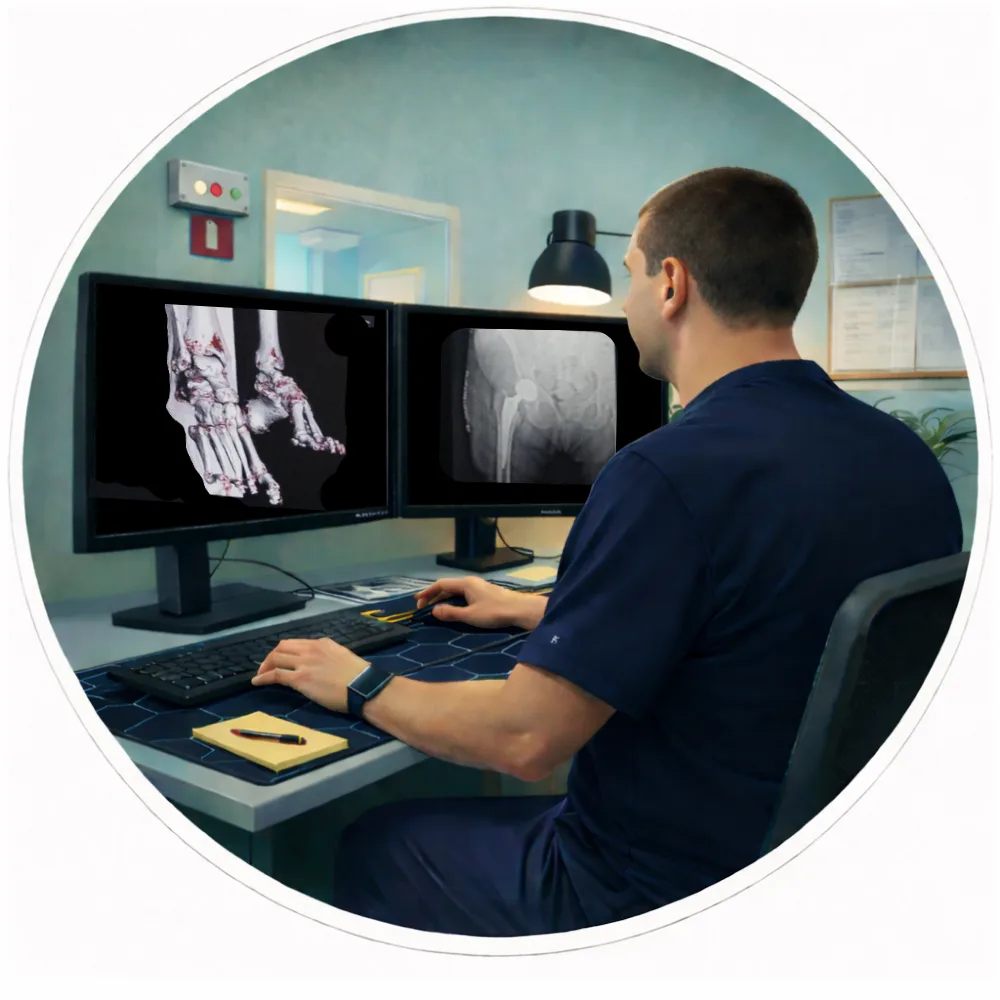
Examination and 3D surgical planning
All necessary examinations are performed within one day. A CT scan of the joint is conducted, followed by computer-based 3D surgical planning and implant selection to ensure maximum precision.

03
Surgery
On the second day of the clinic stay, the surgical procedure is performed. Original implants by Stryker Corporation (USA) and the MAKO robotic-assisted system are used, ensuring a high level of precision in implant positioning.

04
Rehabilitation and follow-up
Recovery begins immediately after surgery. In most cases, you will be able to start walking on the day of the procedure. After discharge, we continue to provide online follow-up care, including recovery guidance, rehabilitation monitoring, and answers to any questions that may arise.
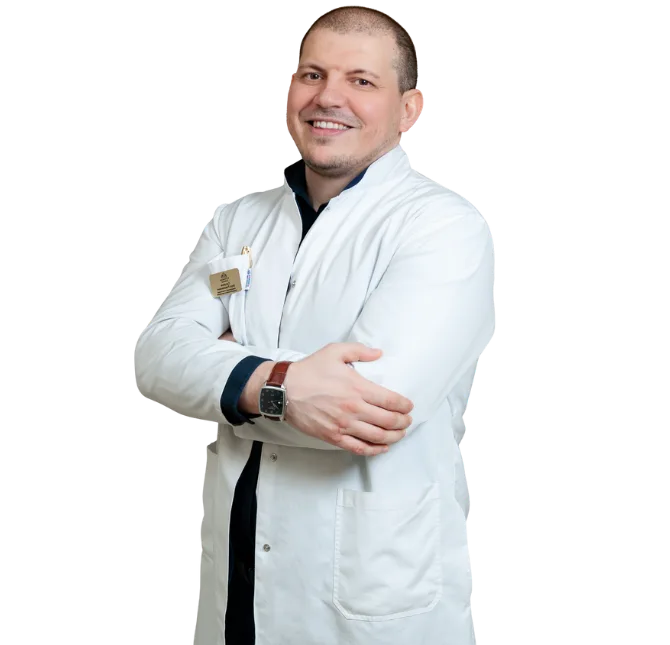
The surgery is performed personally by Zaur Sulumov
The doctor is personally involved in every stage of treatment — from the initial consultation and surgical planning to recovery monitoring and outcome evaluation.
Start Treatment
Questions and Answers